- AUTOMATION EQUIPMENT
- DIGITAL CONTROL
- ELECTRICAL ITEMS
- AMPLIFIER & UPS
- BATTERY CHARGER & INVERTER
- CIRCUIT BREAKER & BLOCKS
- CONTROL UNIT
- ELECTRIC CONTROLLERS
- FIRE ALARAM SYSTEM
- FUSES & CAPACITOR
- HEADPHONE & SPEAKER
- HMI & DISPLAY
- MISC ELECTRICAL
- PCB
- PLC SYSTEMS
- POWER SUPPLY
- PRINTER & CPU
- RELAY
- SENSORS
- SERVO DRIVES & MOTORS
- TELECOME & COMMUNICATION
- THERMOSTAT
- MACHINERY
- SENSORS
- UNCATEGORIZED

Hotline Order:
(+91) 97257 54777
Email ID:
shipnavstore@gmail.com
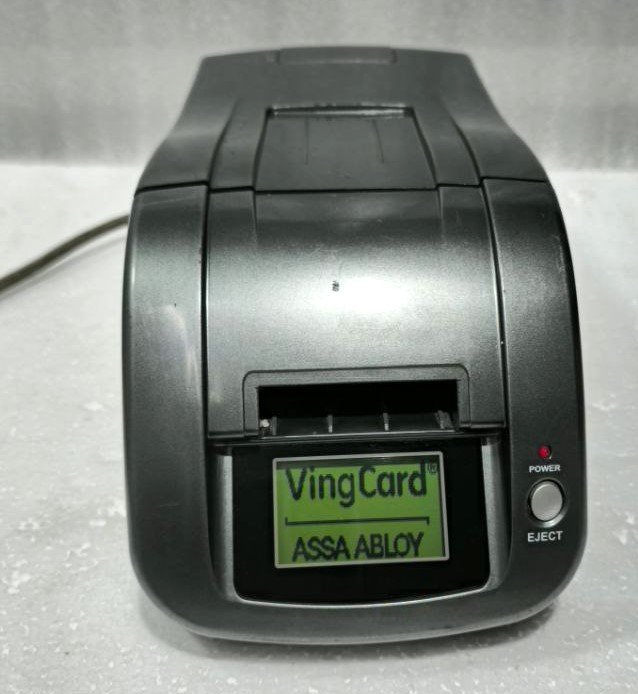
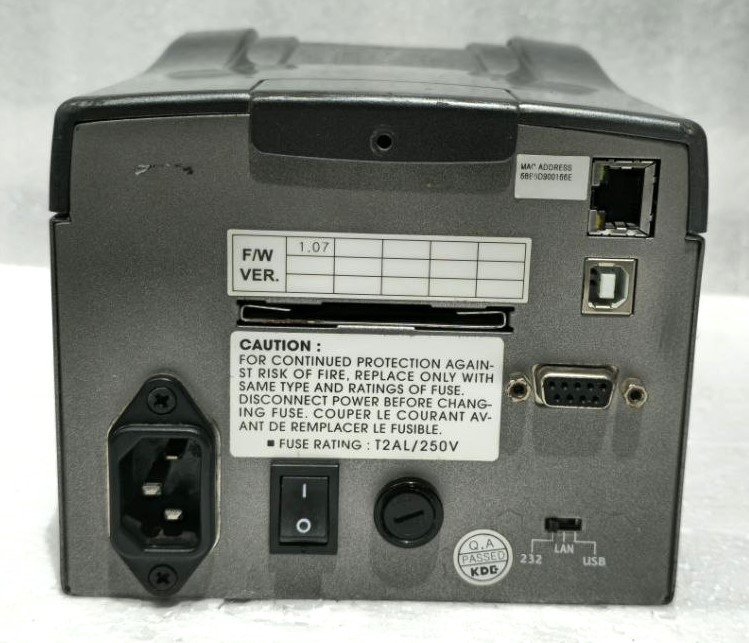
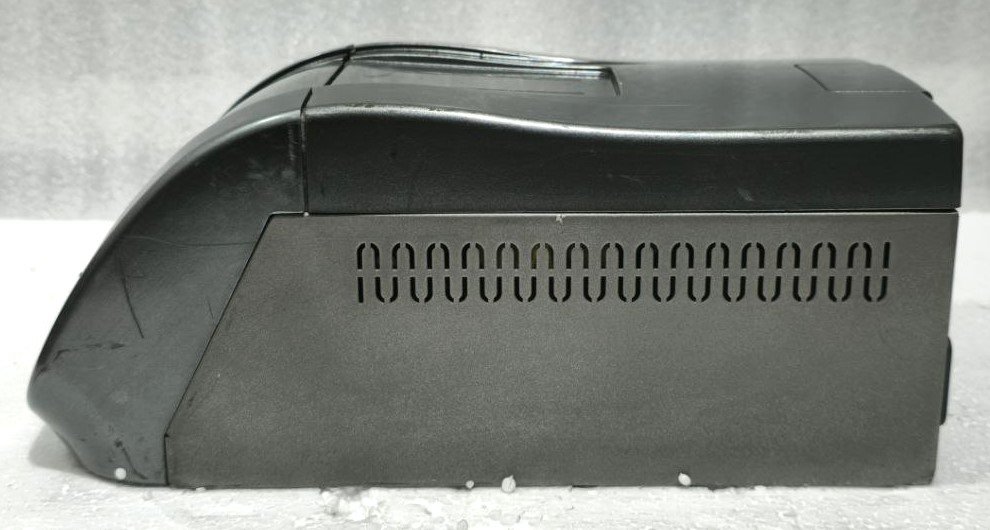
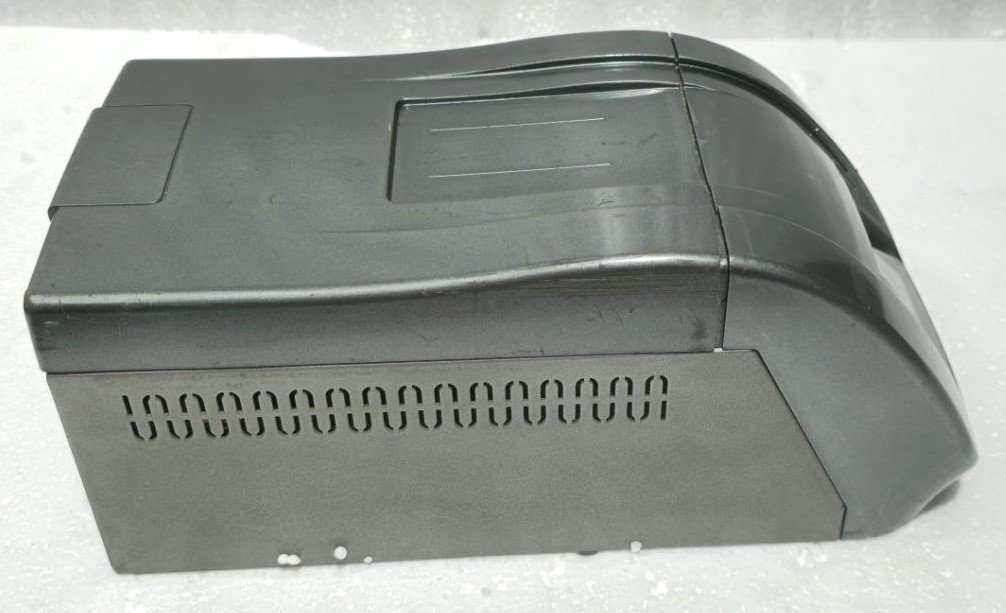
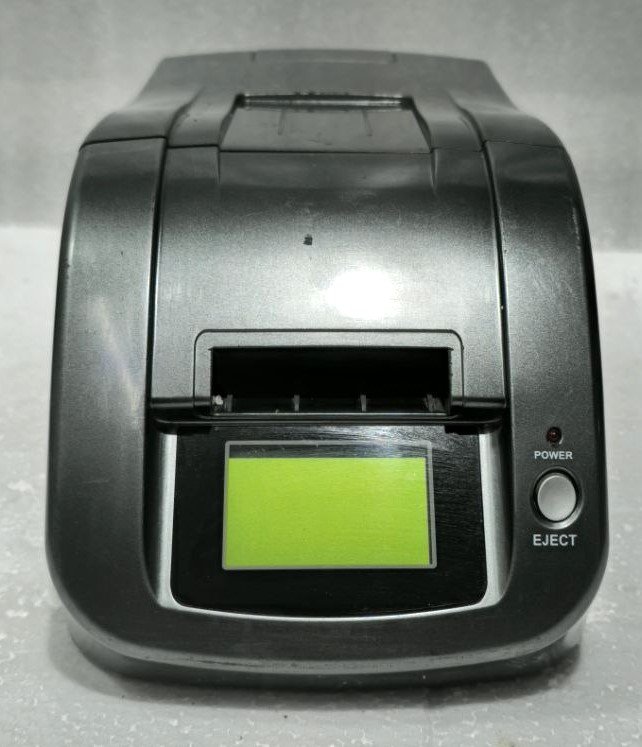
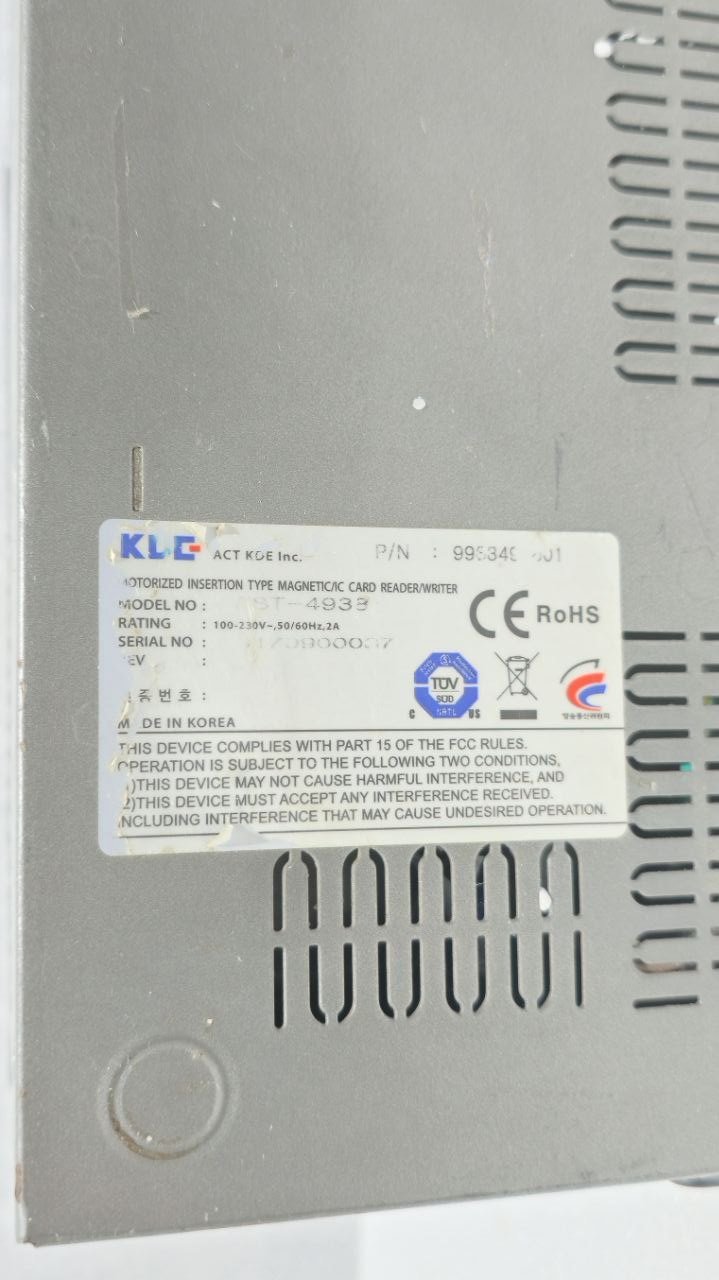
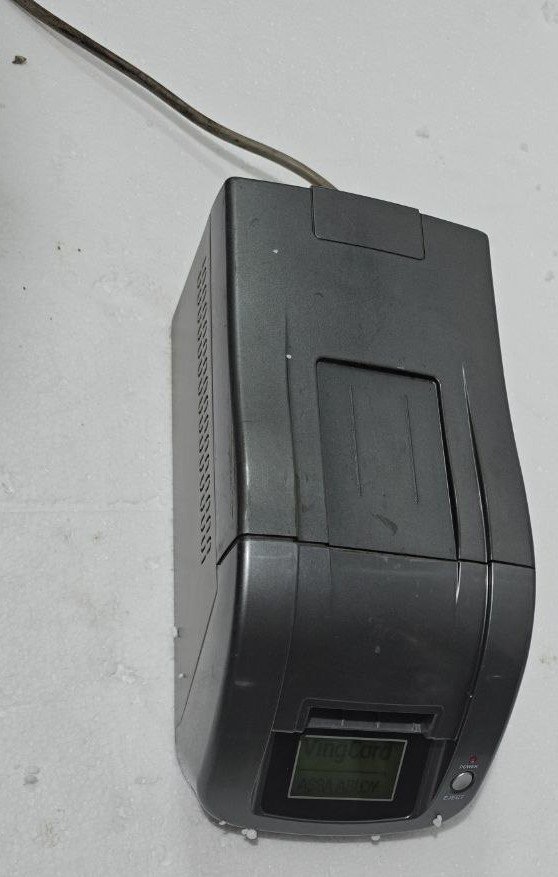
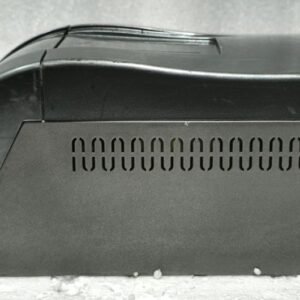
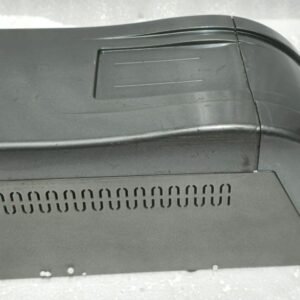
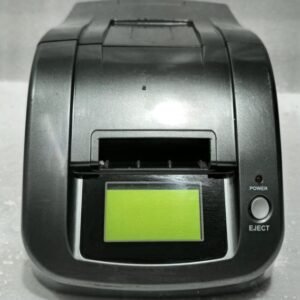
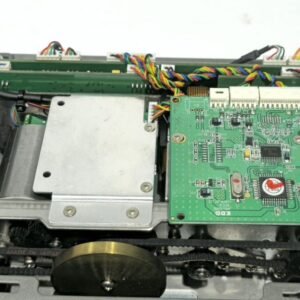
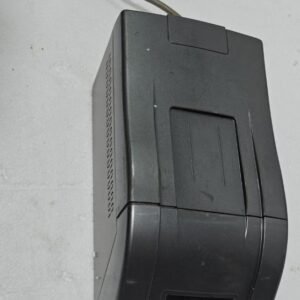
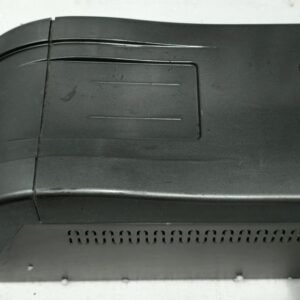
VINGCARD KDE EST-4938 MAGNETIC STRIPE CARD ENCODER 998349 KOREA
$499.00
| Product Conditioned | USED |
|---|
Free Shipping apply to all orders over $199
Guaranteed Money Back in 30 days return.
24/7 Customer Support
Share:
 VINGCARD KDE EST-4938 MAGNETIC...
$499.00
Out of stock
Hotline Order:
(+101) 5620 - 8155
Email ID:
xstore@support.com
VingCard KDE EST-4938 Magnetic Stripe Card Encoder
Manufacturer: VingCard (part of the ASSA ABLOY Global Solutions group, a world leader in door opening solutions).
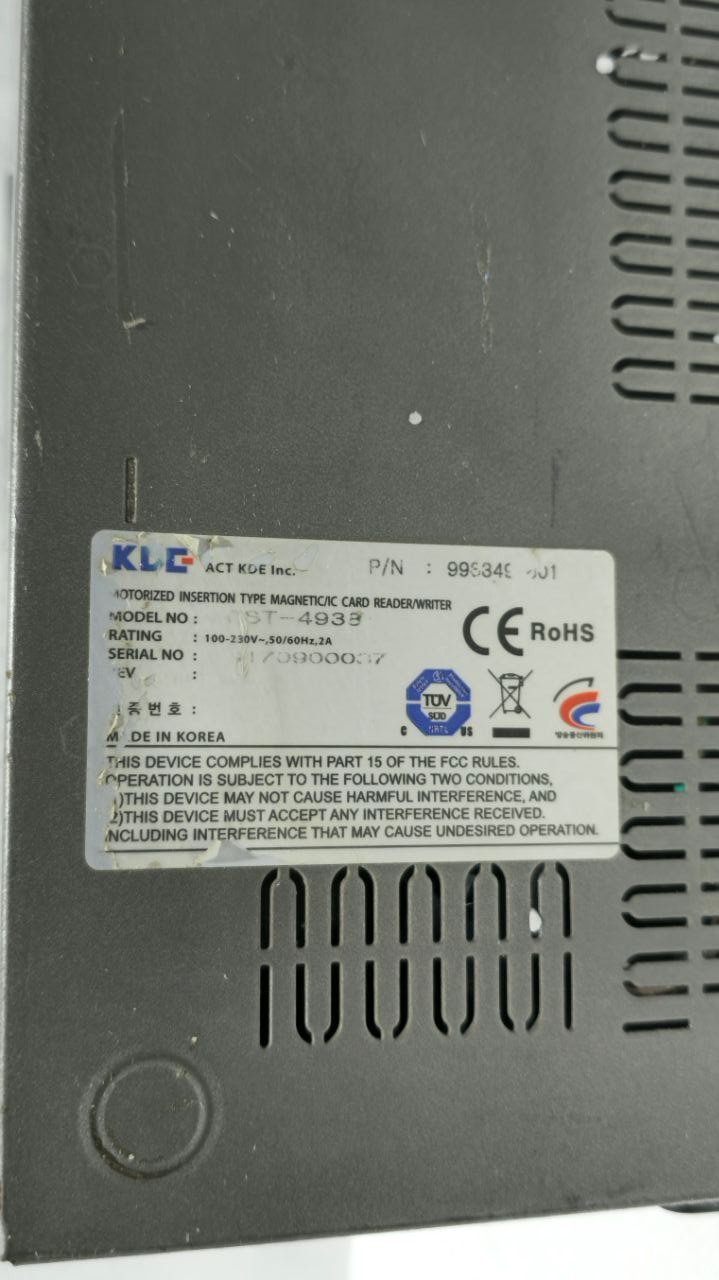
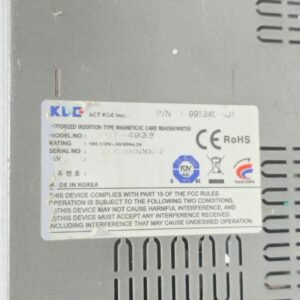
Model: KDE EST-4938
Part/Serial Number: 998349
Origin: Seoul, South Korea (“KOREA SEO” indicates Seoul as the point of manufacture or distribution).
Primary Function:
The KDE EST-4938 is a programmable key card encoder. Its main purpose is to encode magnetic stripe cards (standard high-coercivity “HiCo” cards) with unique room access codes for electronic door locks, most commonly VingCard Classic or Signature series locks.
Key Features and Description:
-
Standalone Operation: Unlike software-dependent encoders, this is a “smart” or “intelligent” encoder. It can operate independently after being initialized and loaded with a property code and sequence from a front desk system. It does not need to be connected to a computer for daily encoding.
-
Secure Key Management: The encoder is not the system. It is a secure delivery tool for key data.
-
It is programmed with a specific Property Code (a unique hotel identifier).
-
It is loaded with a series of valid key codes (a “block” of numbers) downloaded from the hotel’s central PMS (Property Management System) or front desk software.
-
It can only encode cards with the key numbers it has been given, ensuring control and security.
-
-
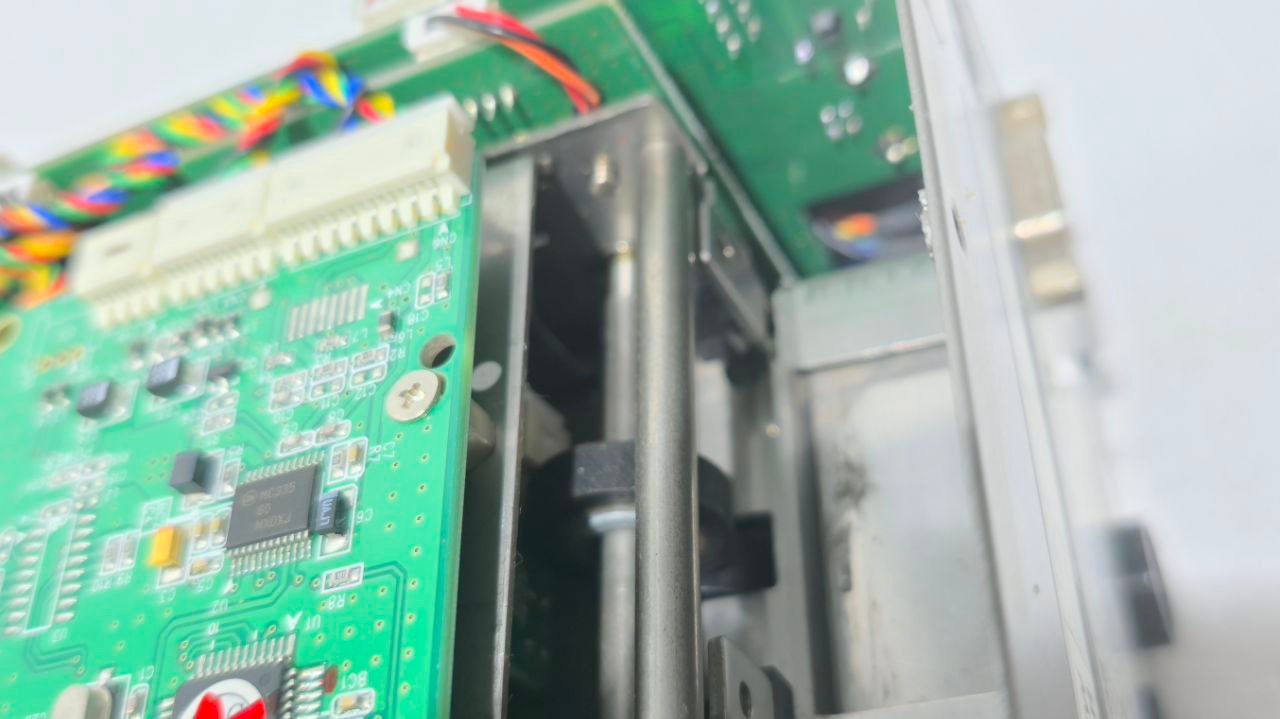
User Interface: Features a simple keypad for entering room numbers, departure dates, and other functions, along with an LCD display to guide the user through the encoding process.
-
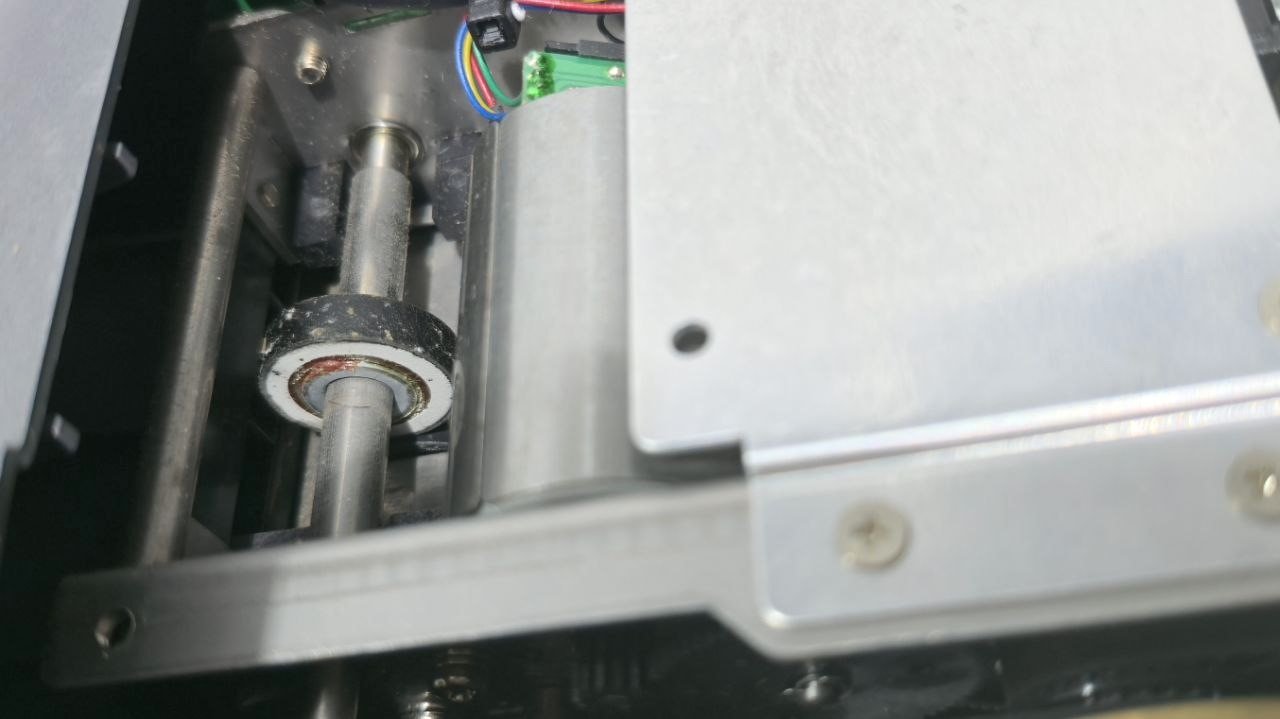
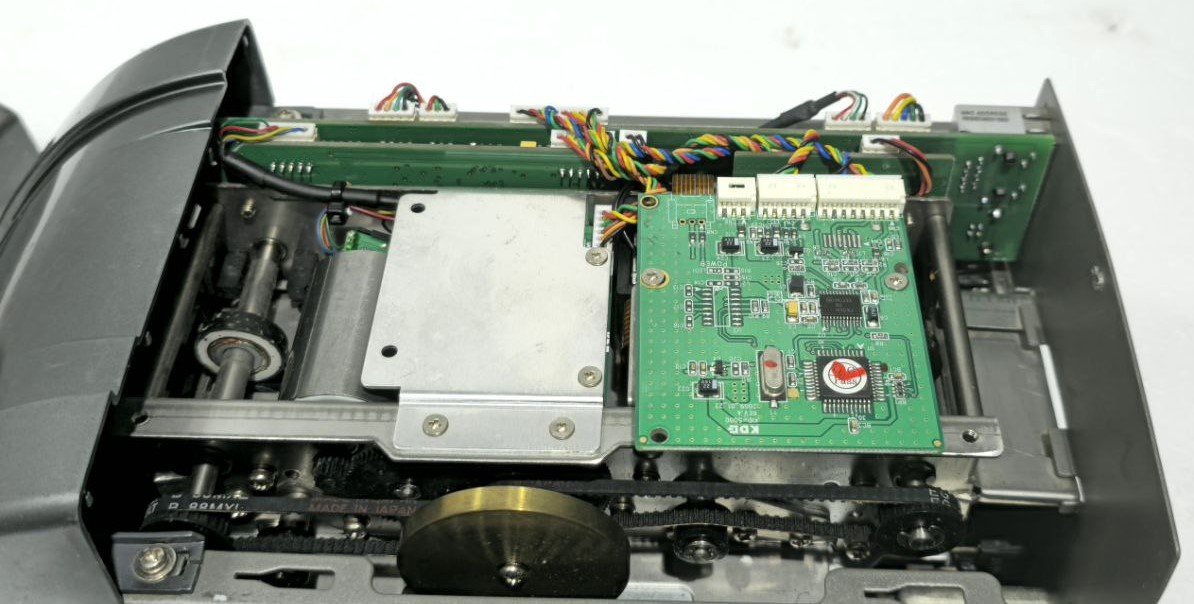
Magnetic Encoding: Contains a high-reliability magnetic stripe head (HiCo) that writes data to tracks on the card (typically Track 2 or a proprietary format for VingCard locks). The encoding follows industry-standard formats and VingCard’s specific security protocols.
-
Typical Use Case in a Hotel:
-
A front desk agent downloads a set of key codes (e.g., for rooms 101-150 for the next week) from the PMS to the encoder via a serial or USB connection.
-
The encoder is disconnected and placed on the counter.
-
When a guest checks into room 101, the agent inserts a blank card, uses the keypad to enter room number 101 and the departure date, and presses encode.
-
The encoder writes the unique, time-sensitive code for room 101 onto the card. The used key code is marked as “issued” in the encoder’s memory.
-
-
Security & Audit Trail: Most models can store a transaction log of all cards encoded (room number, time, sequence number used), which can be uploaded back to the PMS for audit purposes.
Common Applications:
-
Hospitality: The primary market, for encoding guest room keys.
-
Corporate Offices: For encoding access cards for employees.
-
University Housing: For student dormitory access.
-
Healthcare Facilities: For staff access to restricted areas.
Physical Description (Typical of this series):
-
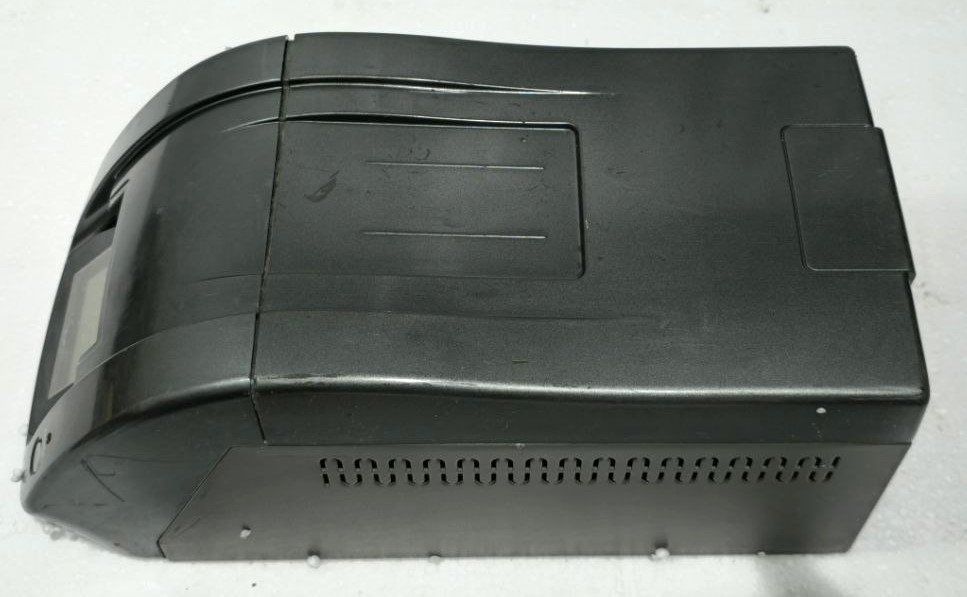
A durable, hard-plastic casing designed for heavy front-desk use.
-
A card slot for swiping/inserting the magnetic card.
-
An alphanumeric keypad (0-9, function keys).
-
A backlit LCD screen (2-4 lines).
-
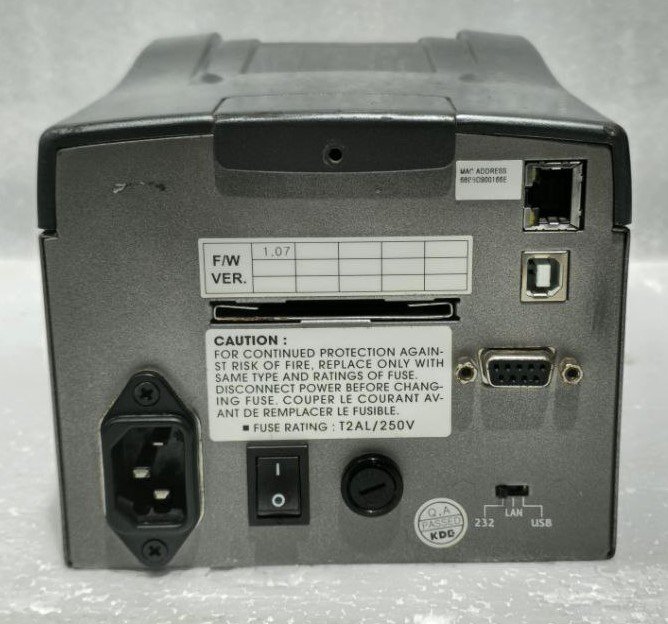
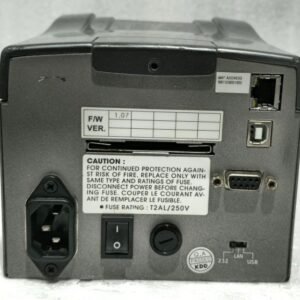
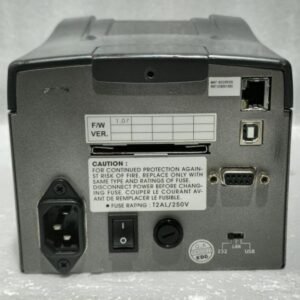
Connection ports (historically serial RS-232, later models USB) for communication with a PC/PMS.
-
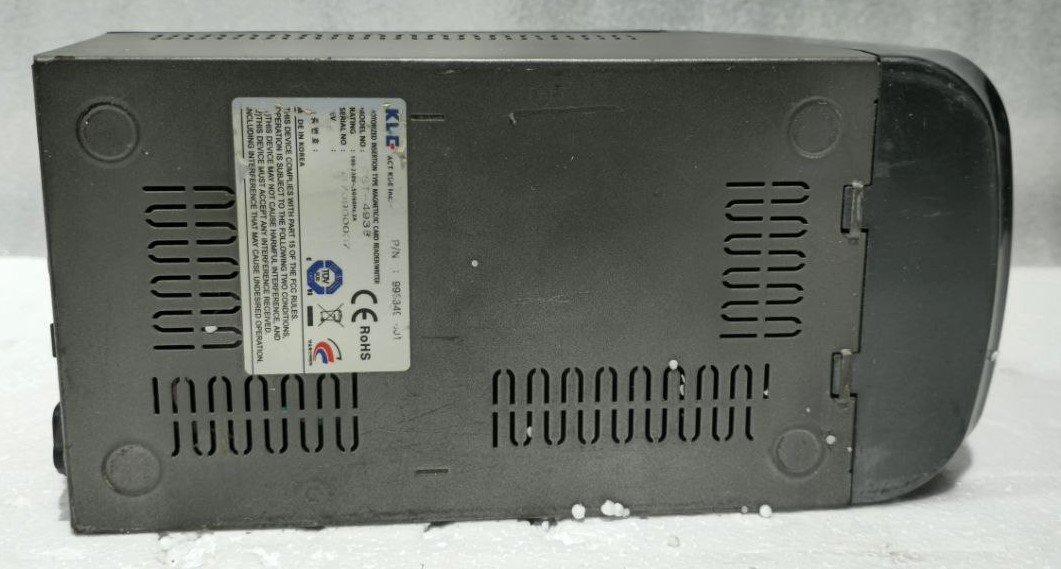
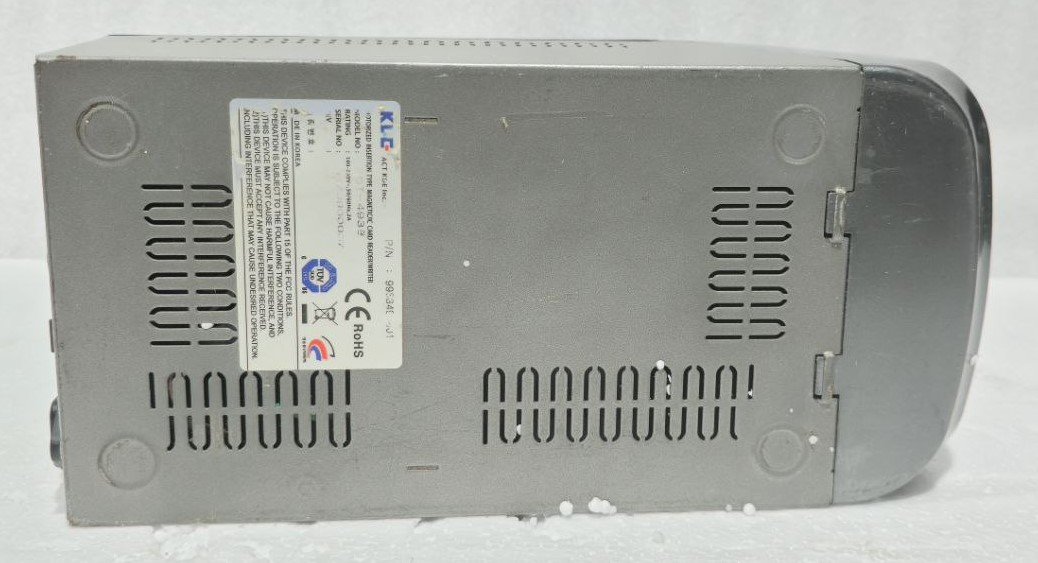
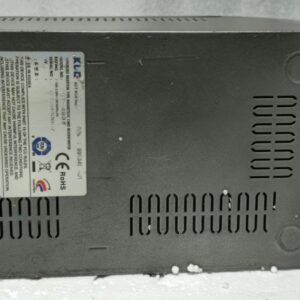
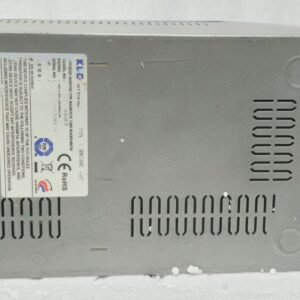
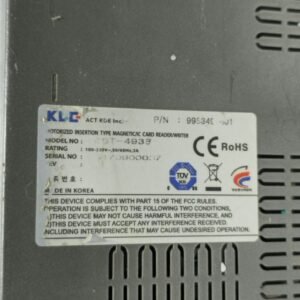
Label with model number (EST-4938), serial number (998349), and compliance markings.
We're here when you need us
Get a Quick Quote
Complete our online form.
Call US
Speak to one of our team.
Live Chat
Send us a message
Speak to one of our team.