- AUTOMATION EQUIPMENT
- DIGITAL CONTROL
- ELECTRICAL ITEMS
- AMPLIFIER & UPS
- BATTERY CHARGER & INVERTER
- CIRCUIT BREAKER & BLOCKS
- CONTROL UNIT
- ELECTRIC CONTROLLERS
- FIRE ALARAM SYSTEM
- FUSES & CAPACITOR
- HEADPHONE & SPEAKER
- HMI & DISPLAY
- MISC ELECTRICAL
- PCB
- PLC SYSTEMS
- POWER SUPPLY
- PRINTER & CPU
- RELAY
- SENSORS
- SERVO DRIVES & MOTORS
- TELECOME & COMMUNICATION
- THERMOSTAT
- MACHINERY
- SENSORS
- UNCATEGORIZED


Hotline Order:
(+91) 97257 54777
Email ID:
shipnavstore@gmail.com

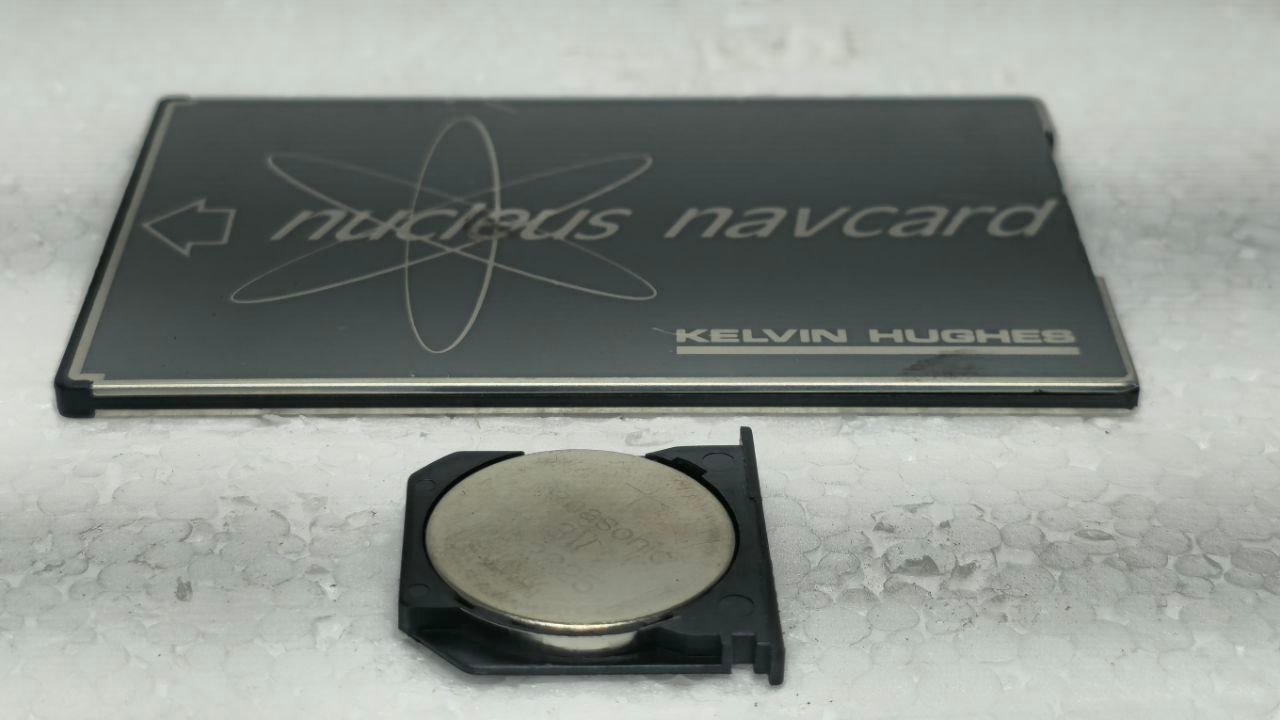
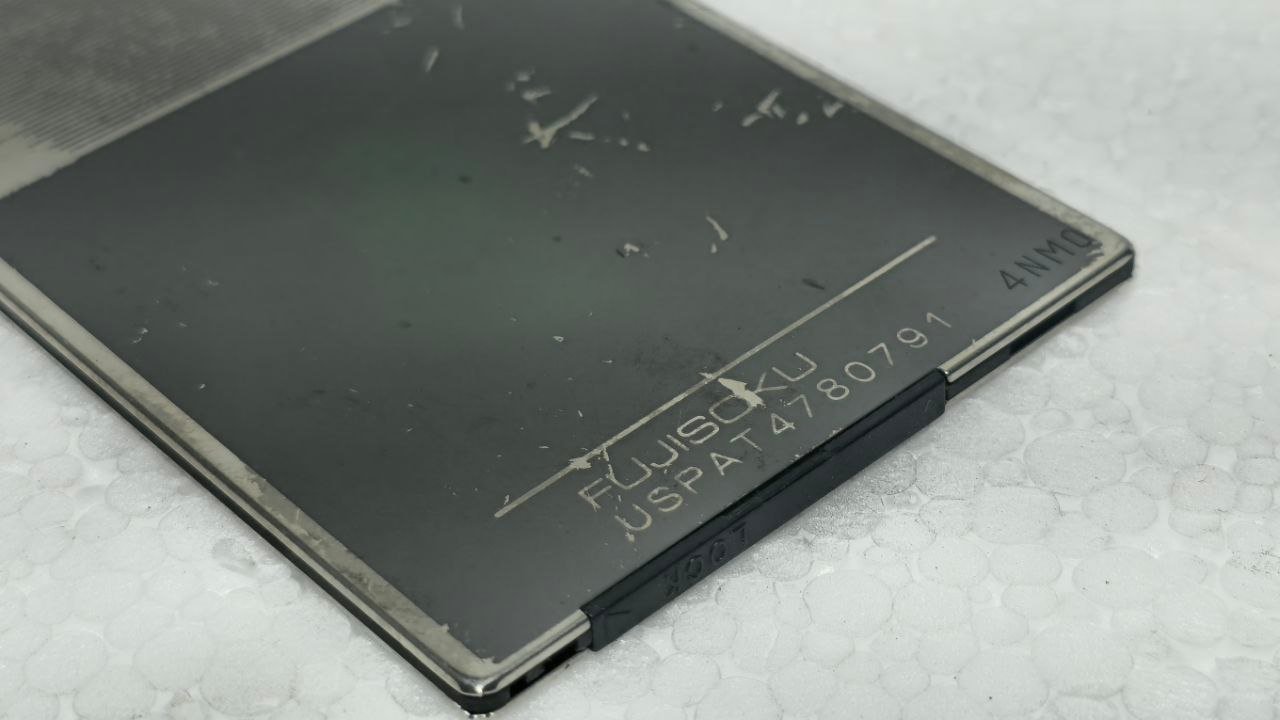
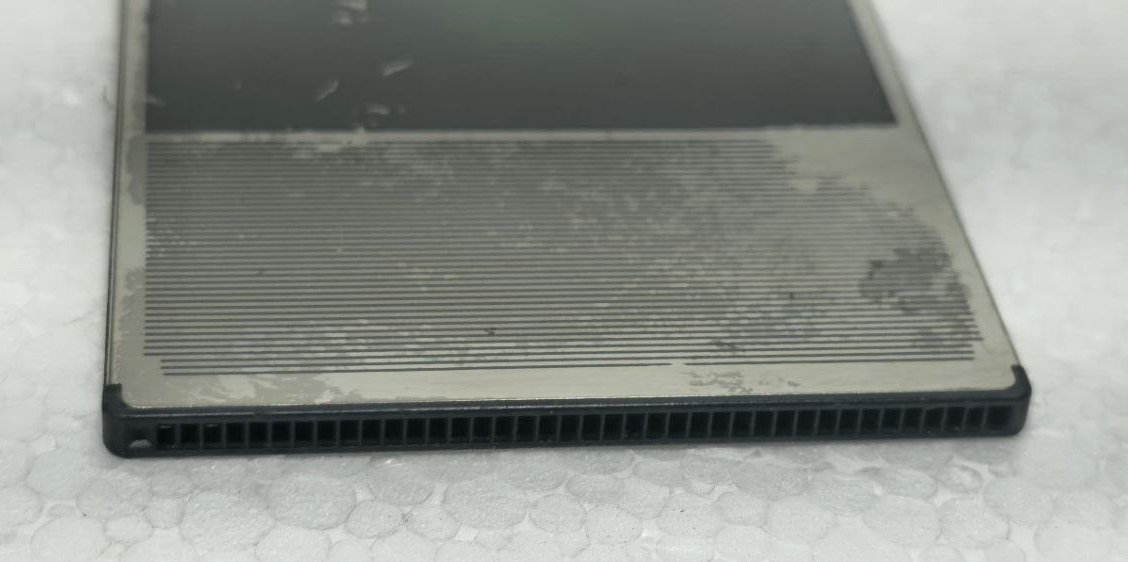
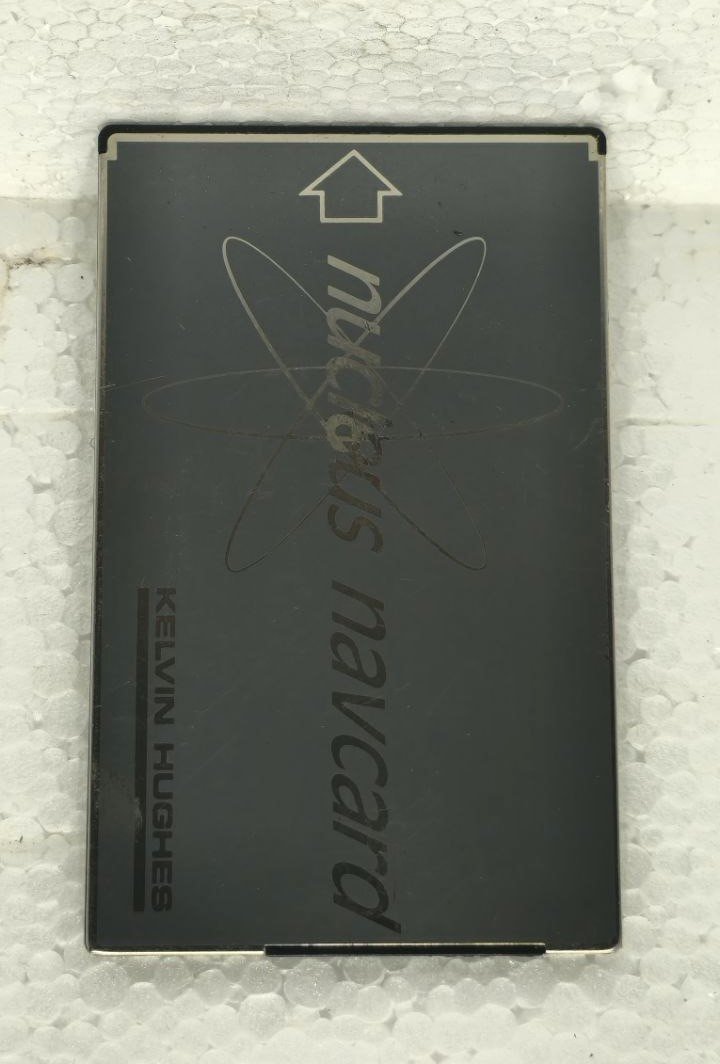
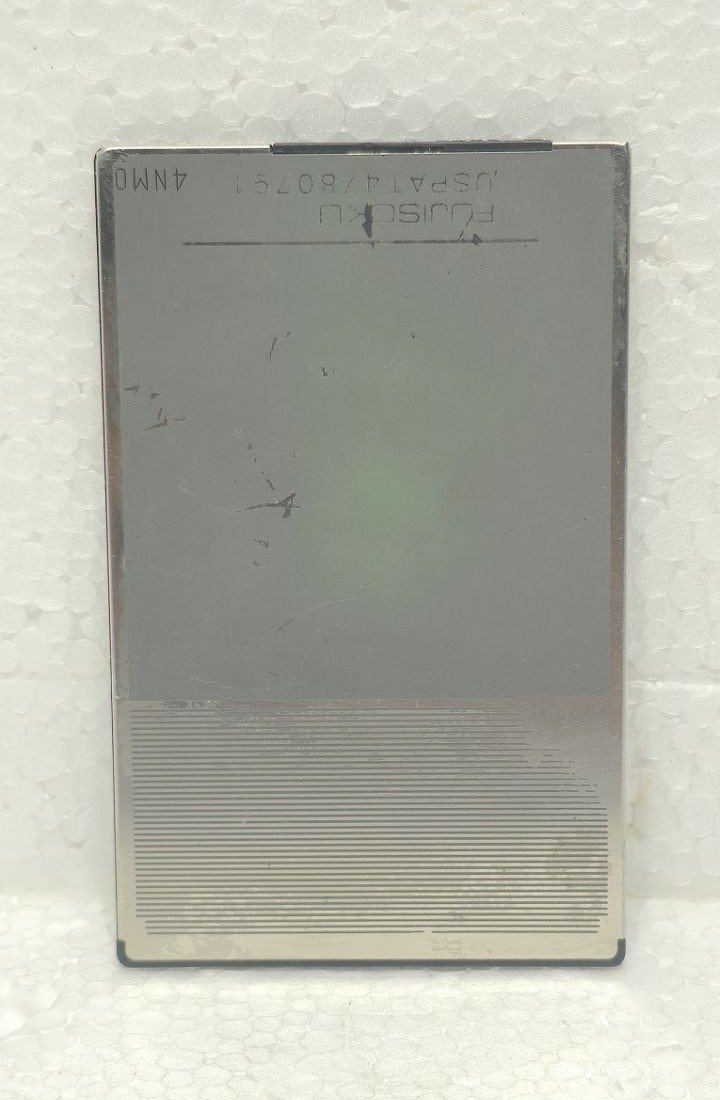
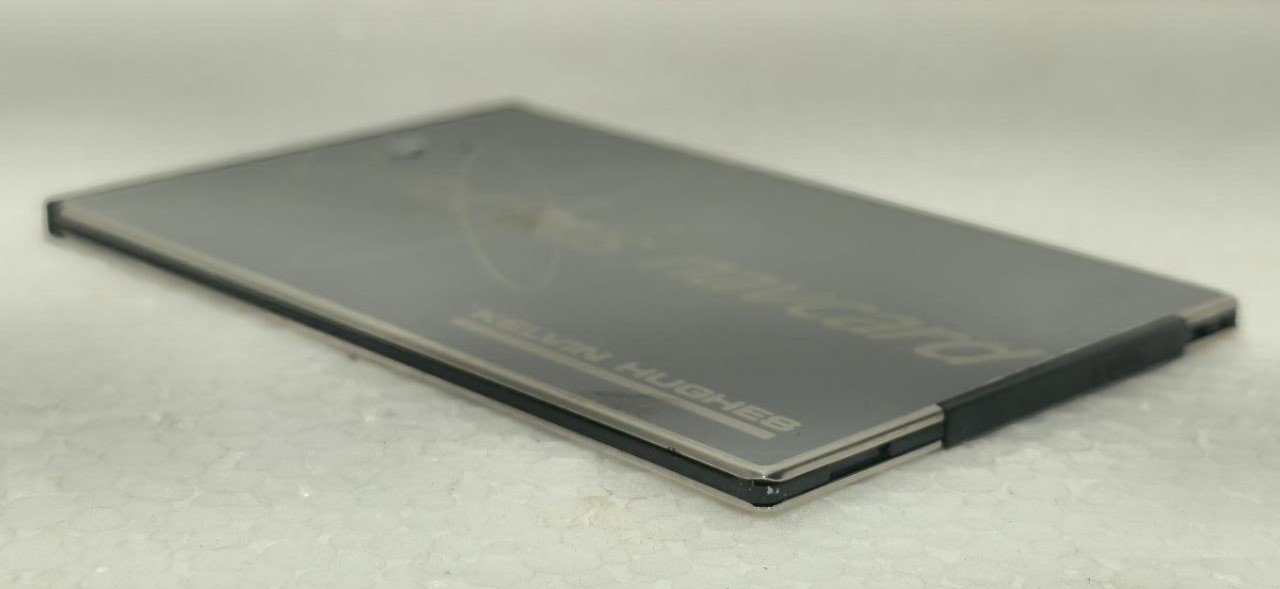
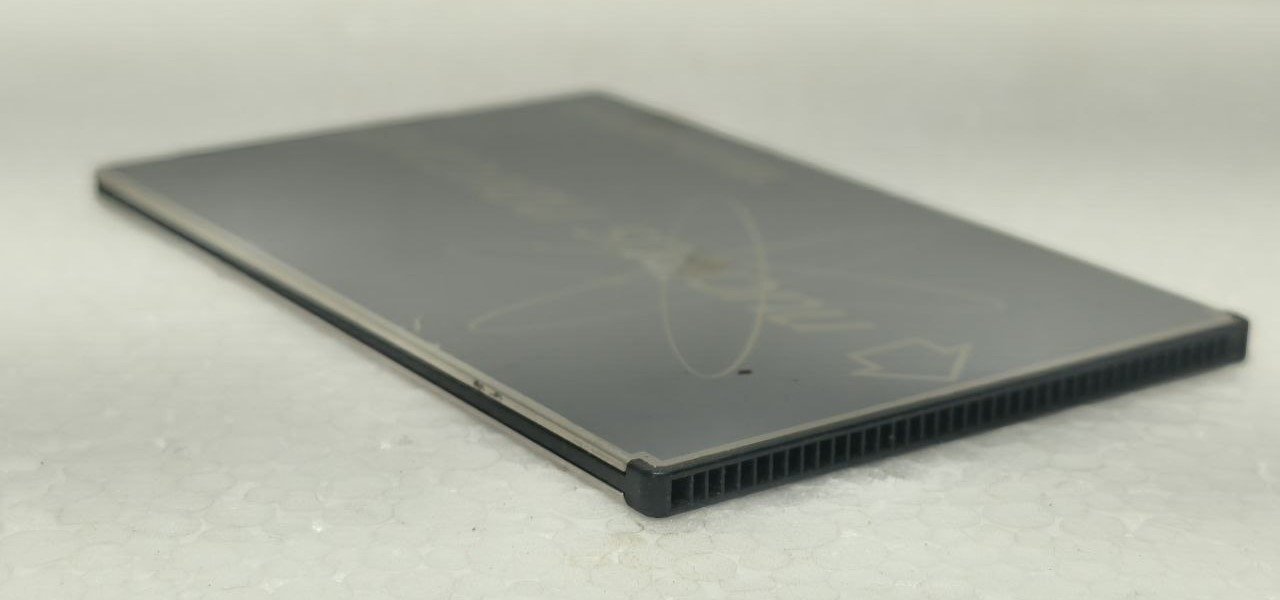
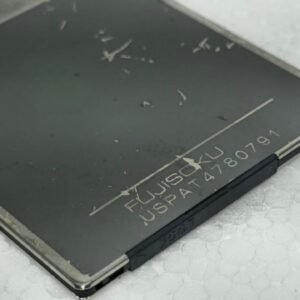
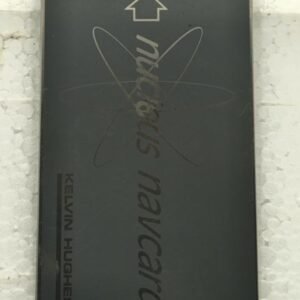
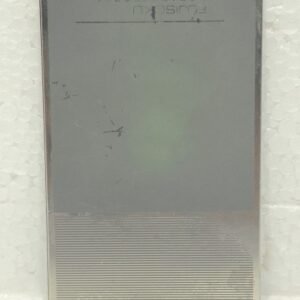
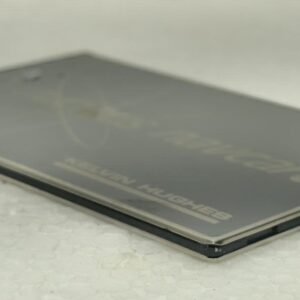
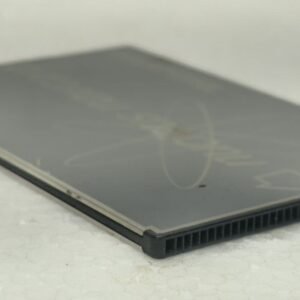
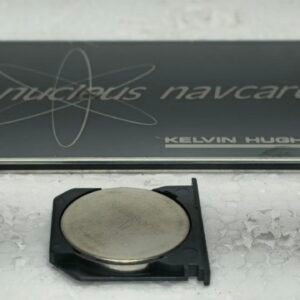
KELVIN HUGHES SHIP RADAR NUCLEUS NAVCARD KH-6000 NUCLEUS FUJISOKU USPAT4780791
₹16,255.00
| Product Conditioned | USED |
|---|
Free Shipping apply to all orders over $199
Guaranteed Money Back in 30 days return.
24/7 Customer Support
Share:
 KELVIN HUGHES SHIP RADAR NUCLE...
₹16,255.00
1 in stock
Hotline Order:
(+101) 5620 - 8155
Email ID:
xstore@support.com
The Kelvin Hughes Nucleus 6000 Series was a range of high-resolution color radar and ARPA (Automatic Radar Plotting Aid) systems designed for commercial shipping. Introduced in the early 1990s, the series was marketed as a redefinition of modern radar for the shipping industry due to its ergonomic design and computer-driven controls.
Key Features & Operation
- User Interface: Unlike traditional radar systems with rows of buttons, the Nucleus series utilized a trackball (roller ball) and only three push buttons. All functions were controlled via on-screen menus, making it one of the most user-friendly systems of its era.
- Display: It featured a high-resolution color display (1360 x 1024 lines on the 26″ model) using IMO-recommended colors to differentiate radar echoes, warnings, and navigational data.
- Model Variants: The 6000 series was available in three primary display configurations:
- Nucleus 6000A (ARPA): Included automatic target tracking and plotting capabilities.
- Nucleus 6000T: True Motion display.
- Nucleus 6000R: Relative Motion display.
- Technical Specs: The system supported both X-Band (3 cm) and S-Band (10 cm) transmitters with selectable power outputs (5, 10, or 25 kW) and antenna sizes (4 to 12.5 ft).
NAVCARD Feature
The NAVCARD was a proprietary memory card system used by the Nucleus series. It allowed for the storage and retrieval of :
- Custom electronic charts and maps.
- Waypoints and sailing routes (ferlur/courses).
- Other miscellaneous navigation data.
We're here when you need us
Get a Quick Quote
Complete our online form.
Call US
Speak to one of our team.
Live Chat
Send us a message
Speak to one of our team.