- AUTOMATION EQUIPMENT
- DIGITAL CONTROL
- ELECTRICAL ITEMS
- AMPLIFIER & UPS
- BATTERY CHARGER & INVERTER
- CIRCUIT BREAKER & BLOCKS
- CONTROL UNIT
- ELECTRIC CONTROLLERS
- FIRE ALARAM SYSTEM
- FUSES & CAPACITOR
- HEADPHONE & SPEAKER
- HMI & DISPLAY
- MISC ELECTRICAL
- PCB
- PLC SYSTEMS
- POWER SUPPLY
- PRINTER & CPU
- RELAY
- SENSORS
- SERVO DRIVES & MOTORS
- TELECOME & COMMUNICATION
- THERMOSTAT
- MACHINERY
- SENSORS
- UNCATEGORIZED
Hotline Order:
(+91) 97257 54777
Email ID:
shipnavstore@gmail.com

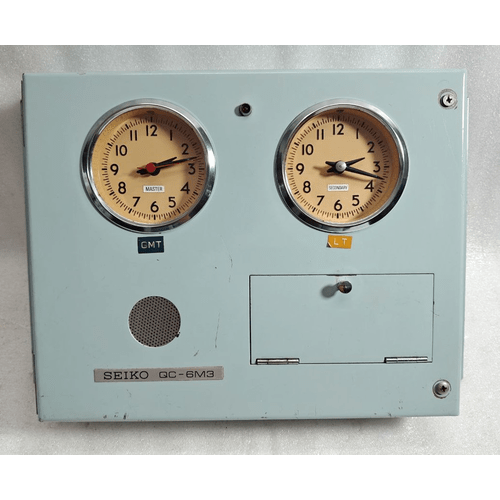
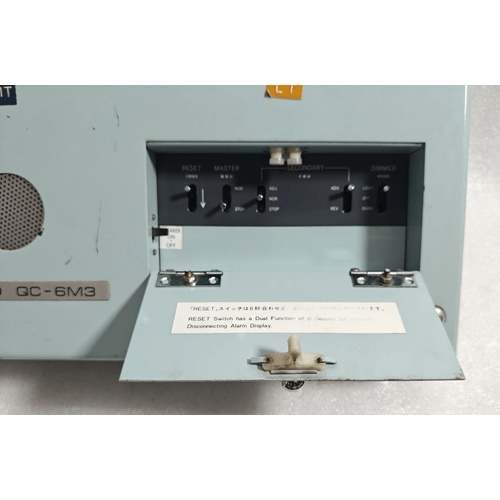
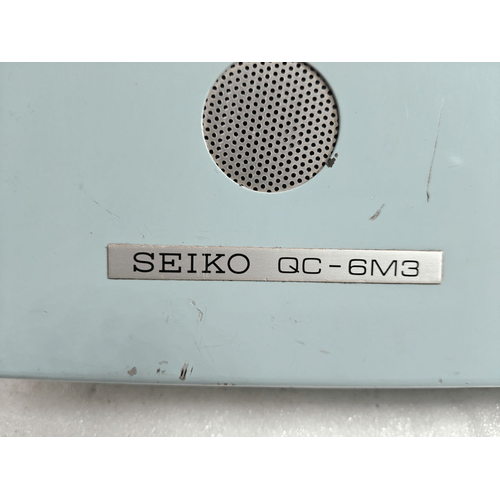
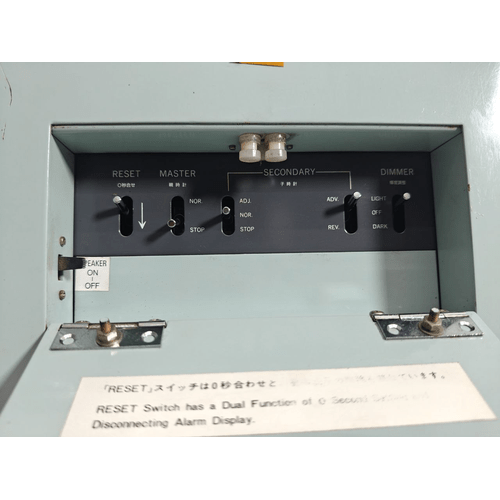
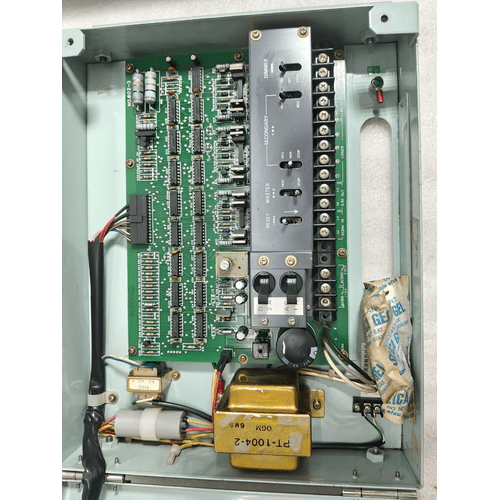
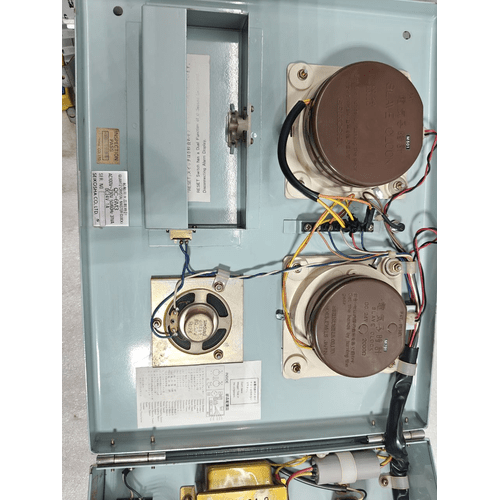
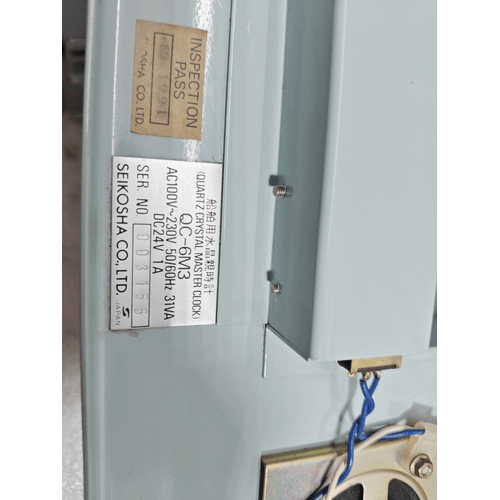
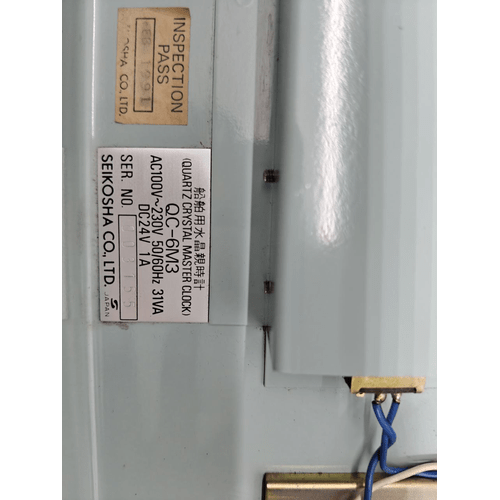
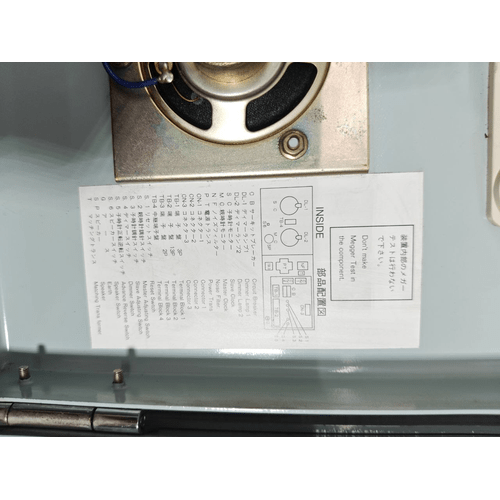
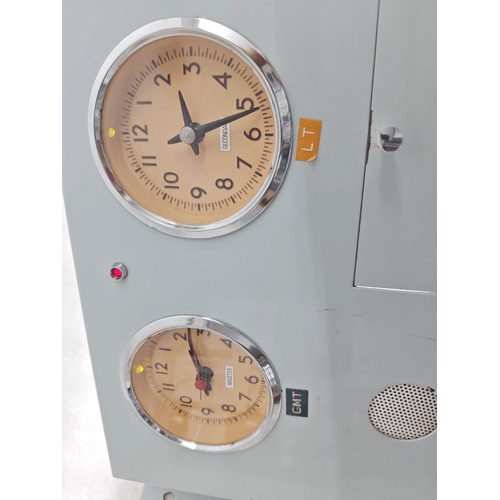
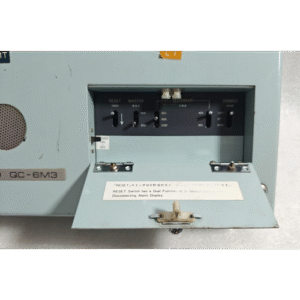
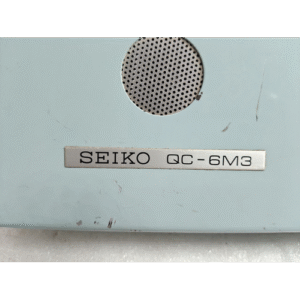
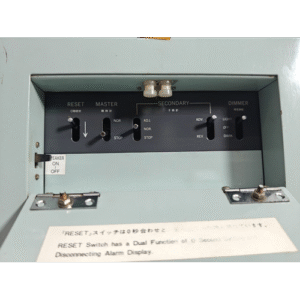
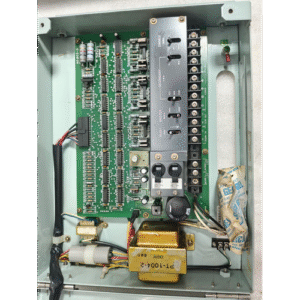
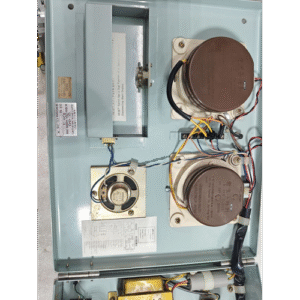
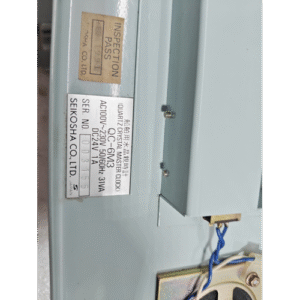
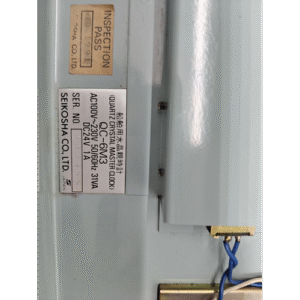
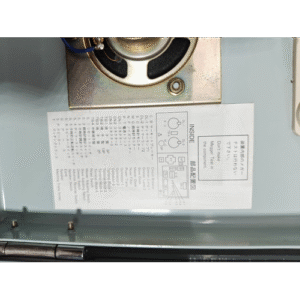
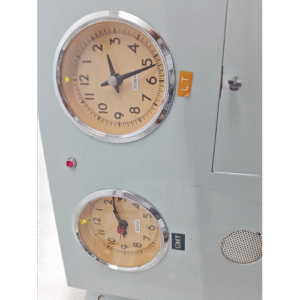
SEIKO CLOCK QC-6M3 QUARTZ CRYSTAL MASTER CLOCK GMT-CT 24VDC 1A JAPAN 18:14
$499.99
| Product Conditioned | USED |
|---|
In simple terms, this isn’t a clock you hang on the wall. This is the “boss clock.”
It’s the central brain for a building’s time system. It provides the ultra-precise timing signal that drives dozens of other secondary clocks, ensuring every clock in a school, TV station, or factory shows the exact same second. It’s a piece of professional industrial gear for when synchronized time is a operational necessity, not a convenience. The 24VDC power means it’s meant to be hardwired into a professional setup.
Free Shipping apply to all orders over $199
Guaranteed Money Back in 30 days return.
24/7 Customer Support
Share:
 SEIKO CLOCK QC-6M3 QUARTZ CRYS...
$499.99
1 in stock
Hotline Order:
(+101) 5620 - 8155
Email ID:
xstore@support.com
The Seiko QC-6M3 is a professional-grade, high-precision Quartz Crystal Master Clock. It is not a simple timekeeping device; it functions as the central “heartbeat” or primary time reference for a larger system. The “GMT-CT” in the model name suggests a specific variant, likely indicating Greenwich Mean Time (GMT) and potentially Command Time or Central Time.
Its primary function is to generate and distribute an extremely accurate and stable timing signal to synchronize other clocks, devices, or processes within a facility.
Key Features & Specifications
-
Manufacturer: Seiko (The renowned Japanese watch and clockmaker, known for their expertise in quartz crystal technology).
-
Model: QC-6M3 (Quartz Crystal, 6M3 series).
-
Type: Master Clock / Time Code Generator. It is the source of truth for time.
-
Core Technology: Quartz Crystal Oscillator. A precisely tuned quartz crystal that vibrates at a fixed frequency when electrified, providing a highly stable timebase. This is the same technology used in quartz watches, but built to a much higher industrial standard for accuracy and reliability.
-
Power Supply: 24 VDC, 1 Amp. This is a common voltage for industrial, telecommunications, and marine equipment, indicating it’s designed to be wired into a central control panel or equipment rack, not plugged into a wall outlet.
-
Outputs: While the specific outputs aren’t listed, a master clock like this typically provides multiple synchronized signals, such as:
-
Pulse-per-Second (PPS): A sharp electrical pulse every second.
-
Time Code Output: A continuous serial data signal encoding the current time (e.g., in IRIG-B, NASA36, or proprietary Seiko format). This signal can be distributed to numerous “slave” clocks and other equipment.
-
Relay Contacts: For triggering other events on a schedule.
-
-
Display: It may have a simple digital readout showing the time (hours, minutes, seconds) for at-a-glance verification.
-
Accuracy: The internal oscillator is likely accurate to within a few seconds per month or even better, far superior to a standard consumer clock. Its stability is its key feature.
-
Construction: Built for a 24/7 operational environment in a rack-mount or panel-mount enclosure. It is robust and designed for reliability.
What is it used for? (Purpose)
This master clock is used to synchronize all time-dependent devices in a facility where precise, unified time is critical. Common applications include:
-
Broadcasting Studios: To ensure all cameras, recorders, and editing suites are frame-accurate and genlocked.
-
Telecommunications Facilities: For synchronizing network switches and equipment.
-
Industrial Automation: To coordinate assembly lines, process control systems, and data logging where timestamps must be consistent across machines.
-
Public Institutions: Schools, hospitals, and airports to keep all building clocks showing the exact same time.
-
Marine / Military Command Centers: (Especially given the “GMT” designation) for synchronizing operations and communications logs.
Who is this for? (Ideal User)
This is a highly specialized piece of equipment for:
-
Systems Integrators installing or maintaining a synchronized clock system.
-
Broadcast Engineers.
-
Industrial Electricians and Automation Technicians.
-
Telecom Engineers.
-
Vintage Technology Collectors or restorers of old control rooms.
Important Considerations for a Used Unit
-
Aging Crystal: The quartz crystal oscillator can potentially drift over many decades, though they are very stable. It may require calibration to achieve its original specified accuracy.
-
Internal Battery: Many of these units have an internal rechargeable battery to maintain time during a power outage. This battery is almost certainly dead and will need replacement to retain memory and settings.
-
Compatibility: You need to understand its output signal type (voltage, protocol) to connect it to any slave clocks or modern equipment.
We're here when you need us
Get a Quick Quote
Complete our online form.
Call US
Speak to one of our team.
Live Chat
Send us a message
Speak to one of our team.