- AUTOMATION EQUIPMENT
- DIGITAL CONTROL
- ELECTRICAL ITEMS
- AMPLIFIER & UPS
- BATTERY CHARGER & INVERTER
- CIRCUIT BREAKER & BLOCKS
- CONTROL UNIT
- ELECTRIC CONTROLLERS
- FIRE ALARAM SYSTEM
- FUSES & CAPACITOR
- HEADPHONE & SPEAKER
- HMI & DISPLAY
- MISC ELECTRICAL
- PCB
- PLC SYSTEMS
- POWER SUPPLY
- PRINTER & CPU
- RELAY
- SENSORS
- SERVO DRIVES & MOTORS
- TELECOME & COMMUNICATION
- THERMOSTAT
- MACHINERY
- SENSORS
- UNCATEGORIZED




Hotline Order:
(+91) 97257 54777
Email ID:
shipnavstore@gmail.com

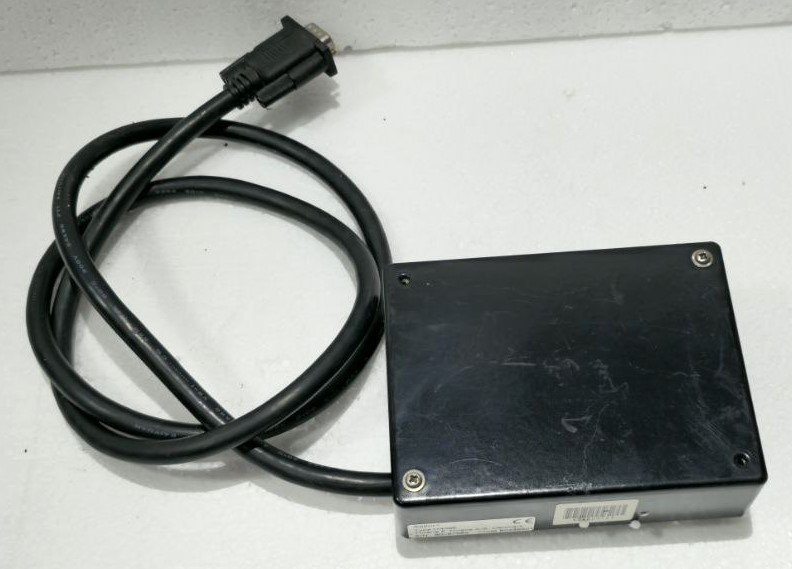
SAILOR H4996 VDR VHF AUDIO INTERFACE 80499601 THRANE & THRANE A/S DENMARK
₹13,807.00
| Product Conditioned | USED |
|---|
Free Shipping apply to all orders over $199
Guaranteed Money Back in 30 days return.
24/7 Customer Support
Share:

₹13,807.00
1 in stock
Hotline Order:
(+101) 5620 - 8155
Email ID:
xstore@support.com
Primary Function
The H4996 serves as a dedicated audio bridge between the ship’s VHF radiotelephone equipment and the VDR. Its core task is to reliably capture both transmit (TX) and receive (RX) audio from all VHF communications, including those on DSC (Digital Selective Calling) channels, and deliver this audio stream to the VDR for permanent recording.
Key Features and Specifications
-
Regulatory Compliance: Enables vessels to fulfill the mandatory VHF audio recording requirements of IMO (International Maritime Organization) Resolution A.861(20) and the performance standards of IEC 61996 for VDRs.
-
Dual-Channel Audio Capture: Independently captures the audio from the microphone (outgoing transmissions) and the loudspeaker (incoming audio). This provides a clear and complete record of both sides of a conversation.
-
Interface Compatibility:
-
Input: Connects directly to the standard 8-pin microphone/loudspeator socket found on maritime VHF transceivers (e.g., Sailor RT series).
-
Output: Provides a balanced, line-level audio output (typically 600 Ohm) suitable for connection to the VDR’s audio acquisition unit.
-
-
Plug-and-Play Design: Engineered for simple integration. It derives its operating power directly from the connected VHF radio’s accessory socket (8-33V DC), eliminating the need for a separate power supply.
-
Signal Conditioning: Includes circuitry to ensure proper audio levels and impedance matching between the VHF radio and the VDR, preventing signal distortion and guaranteeing recording quality.
-
Compact and Robust Housing: Housed in a durable, metal enclosure designed to withstand the electrical noise and environmental conditions found in a ship’s equipment rack or radio console.
-
Status Indication: Features an LED indicator to show operational status (power and signal activity).
Typical Application & System Integration
The H4996 is a component within the larger Sailor VDR system (e.g., Sailor VDR 3000/G2) but is designed as a standalone interface compatible with various VDR brands. It is installed in-line between the VHF transceiver and its handset.
-
The VHF operator uses the radio normally.
-
The H4996 passively taps the audio signals without interrupting operation.
-
It conditions the audio and sends it via a dedicated cable to the VDR’s Audio Acquisition Module (AAM).
-
The VDR timestamped, compresses, and stores the audio along with other navigational data for the required 12-48 hour period.
We're here when you need us
Get a Quick Quote
Complete our online form.
Call US
Speak to one of our team.
Live Chat
Send us a message
Speak to one of our team.