- AUTOMATION EQUIPMENT
- DIGITAL CONTROL
- ELECTRICAL ITEMS
- AMPLIFIER & UPS
- BATTERY CHARGER & INVERTER
- CIRCUIT BREAKER & BLOCKS
- CONTROL UNIT
- ELECTRIC CONTROLLERS
- FIRE ALARAM SYSTEM
- FUSES & CAPACITOR
- HEADPHONE & SPEAKER
- HMI & DISPLAY
- MISC ELECTRICAL
- PCB
- PLC SYSTEMS
- POWER SUPPLY
- PRINTER & CPU
- RELAY
- SENSORS
- SERVO DRIVES & MOTORS
- TELECOME & COMMUNICATION
- THERMOSTAT
- MACHINERY
- SENSORS
- UNCATEGORIZED


Hotline Order:
(+91) 97257 54777
Email ID:
shipnavstore@gmail.com

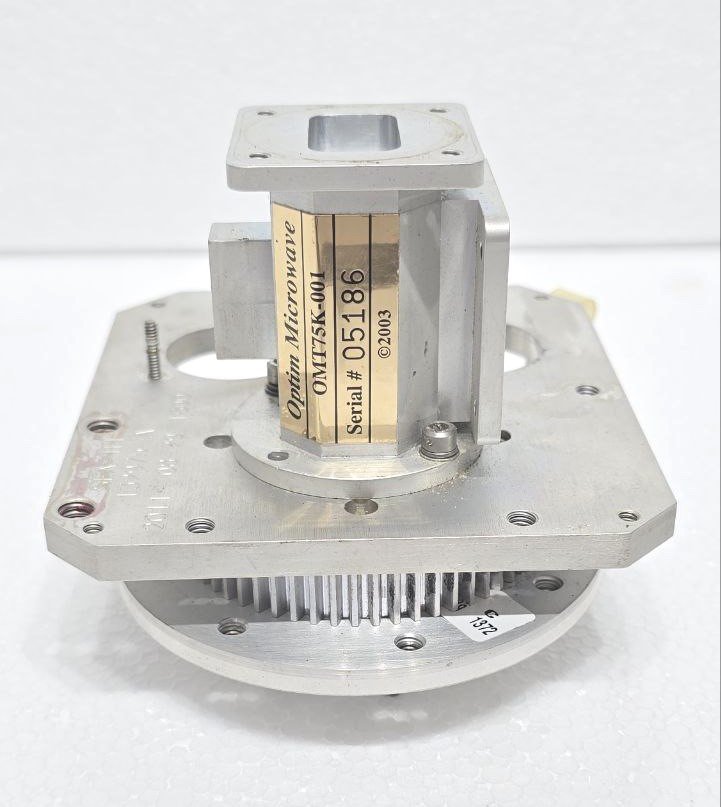
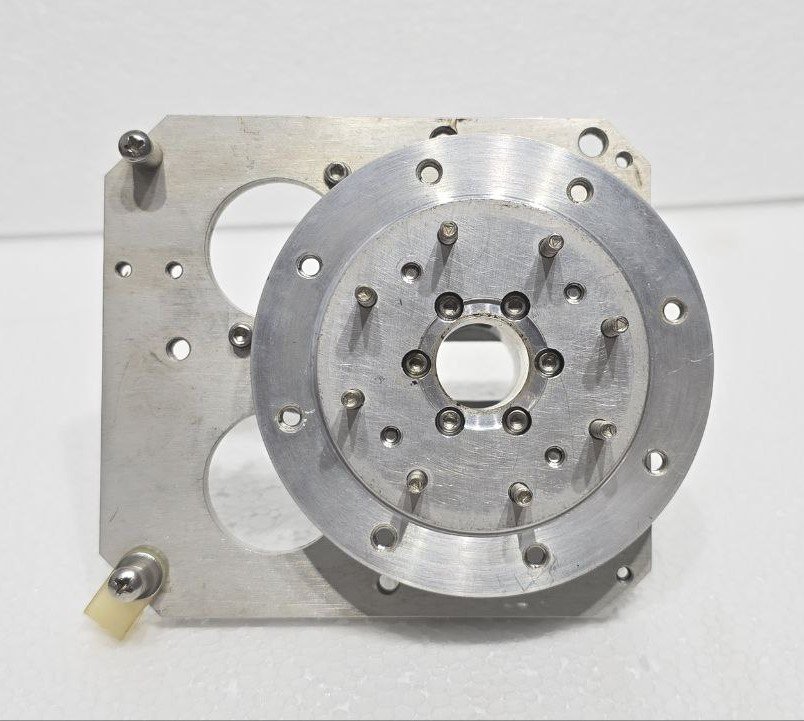
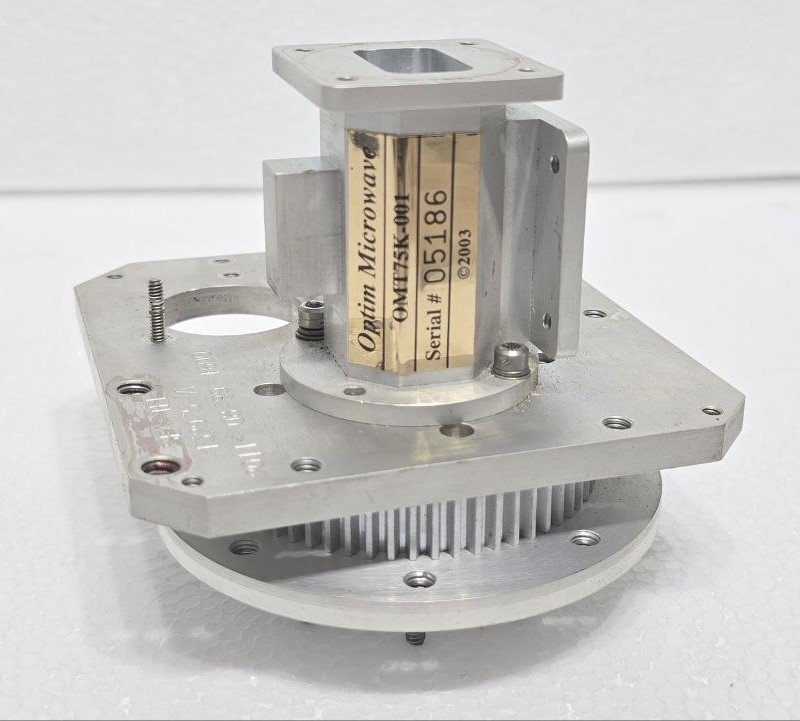
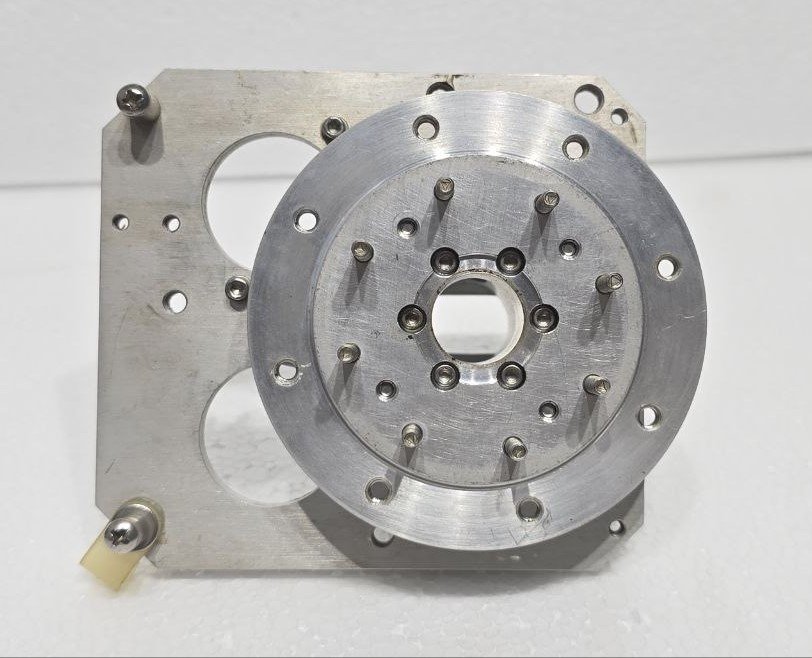
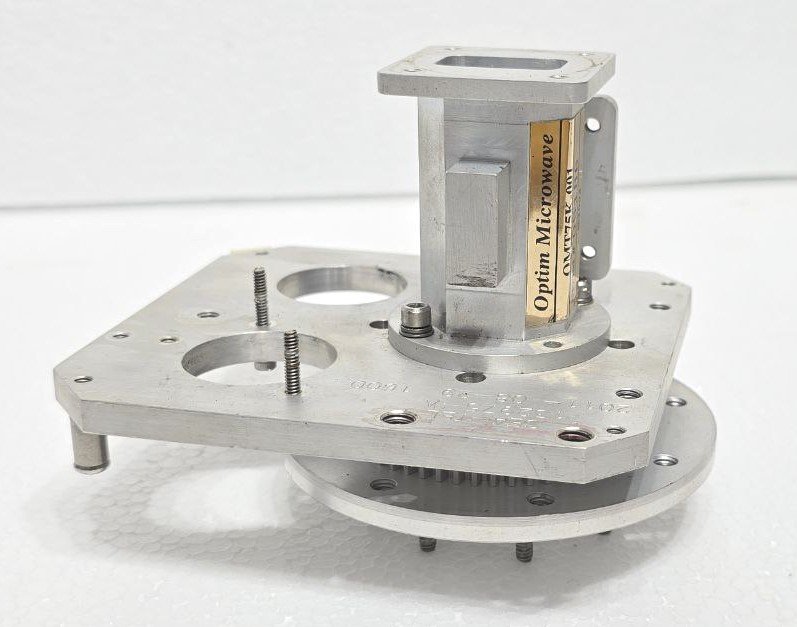
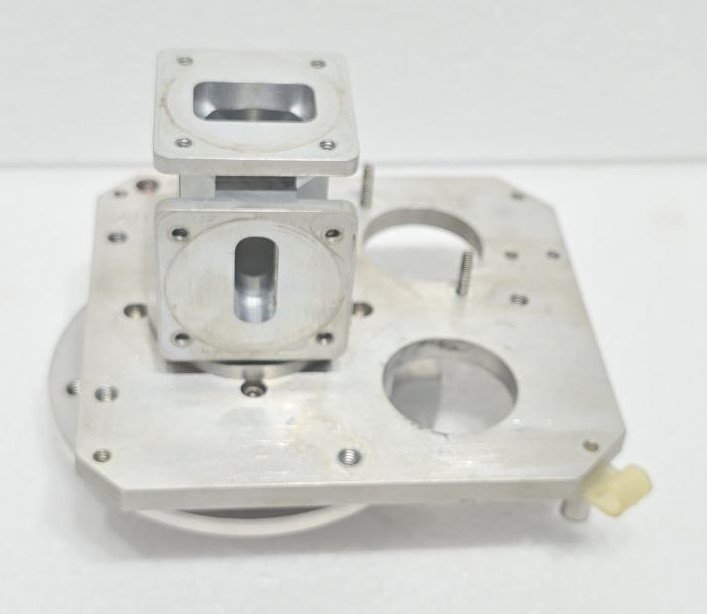
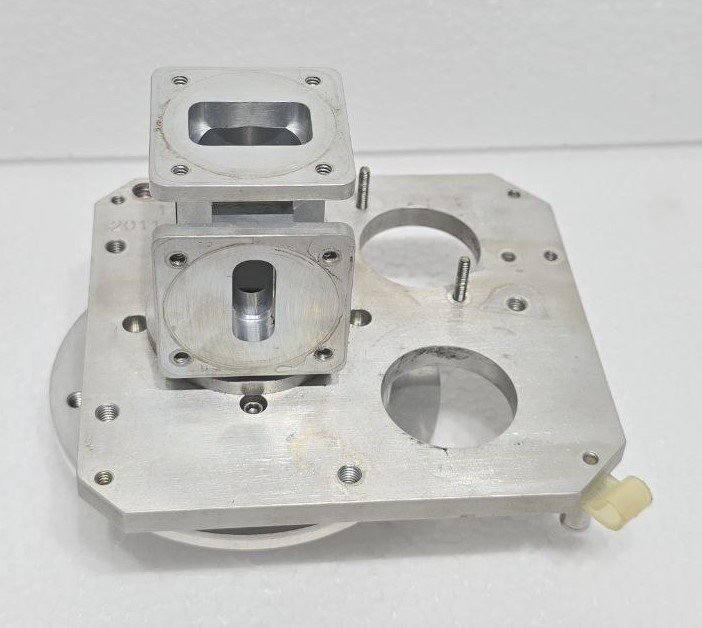
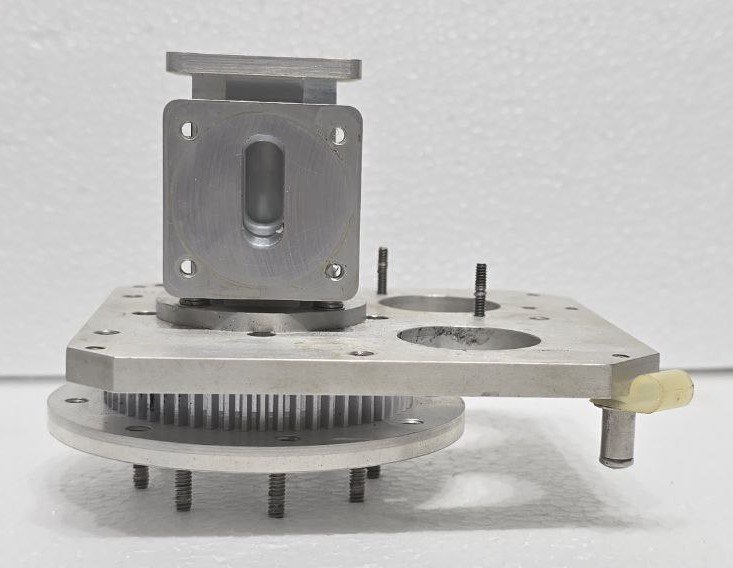
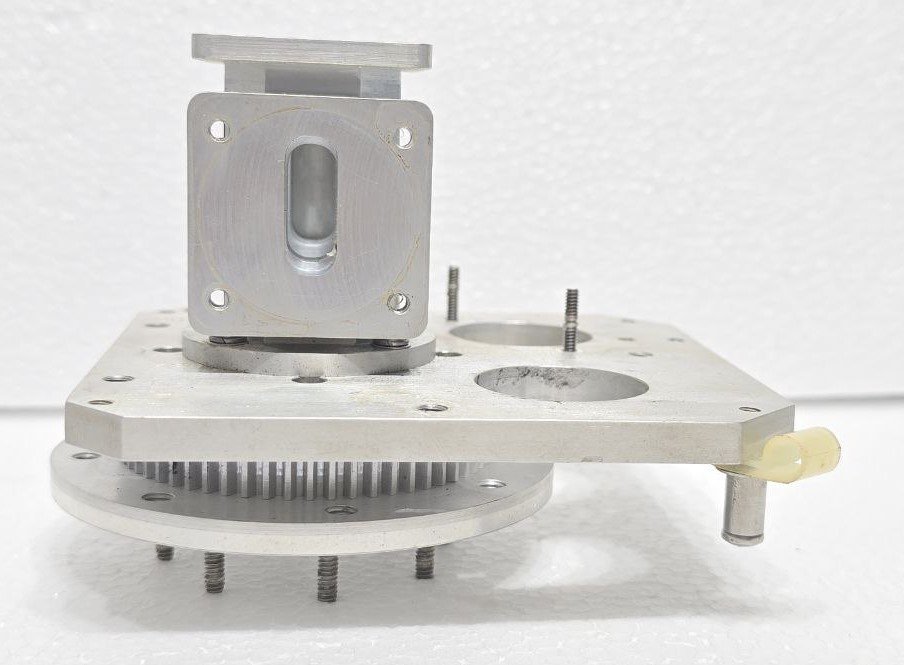
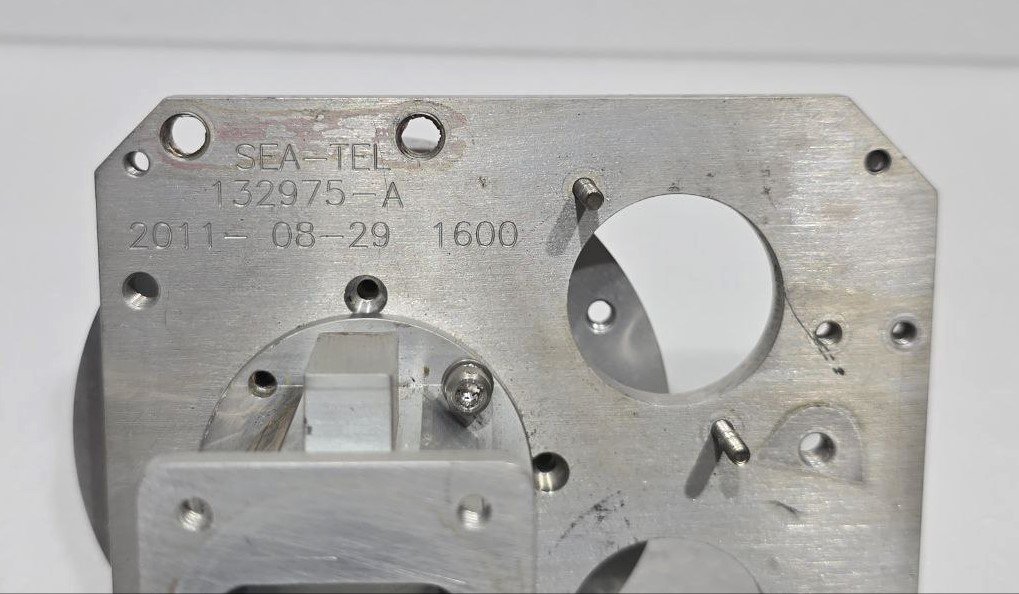
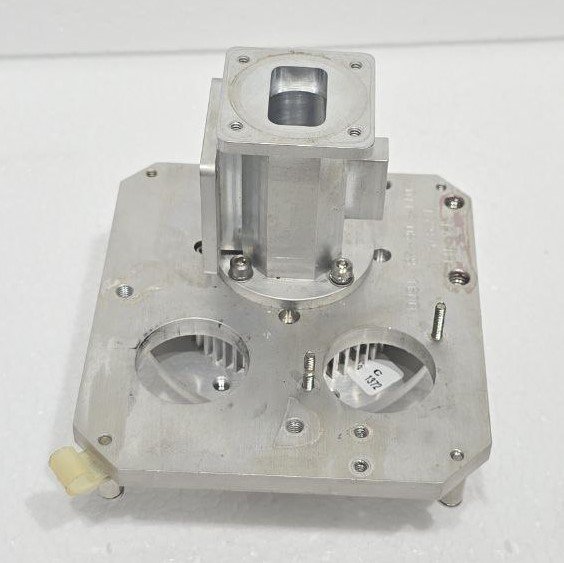
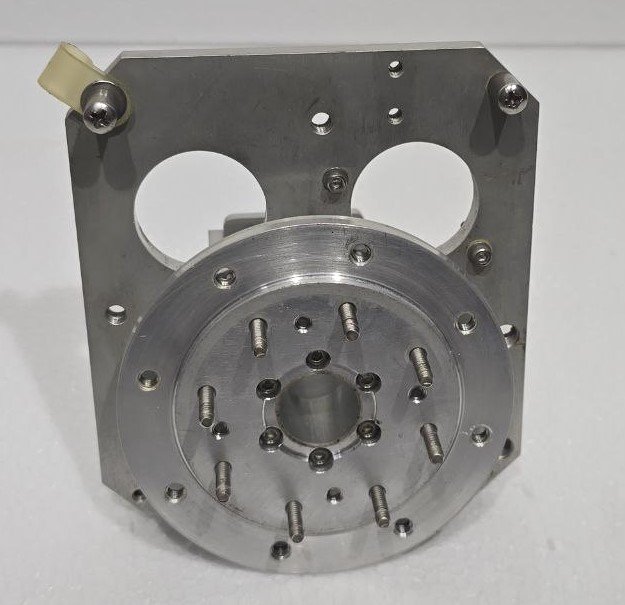
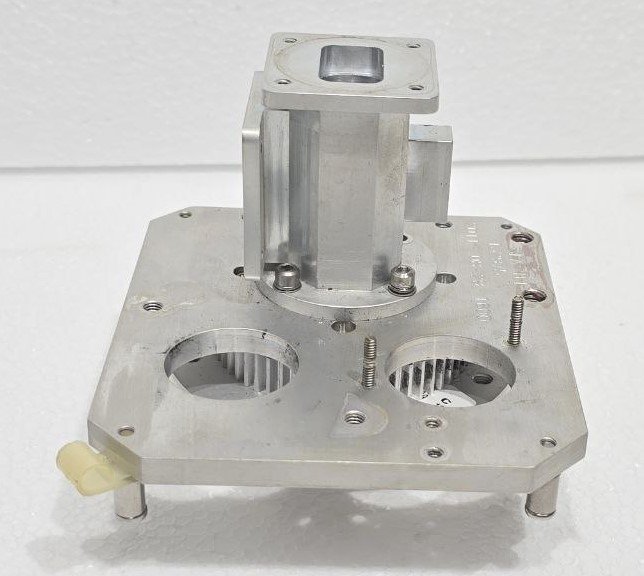
KU BAND SEATEL 132975-A OPTIM MICROWAVE OMT75K-001 SN NO-05186
₹27,491.00
| Product Conditioned | USED |
|---|
Free Shipping apply to all orders over $199
Guaranteed Money Back in 30 days return.
24/7 Customer Support
Share:

₹27,491.00
1 in stock
Hotline Order:
(+101) 5620 - 8155
Email ID:
xstore@support.com
Product Description: Ku-Band OMT
1. Product Identification & Context:
-
Product Type: Orthomode Transducer (OMT).
-
Application: Satellite Communications (SATCOM) in the Ku-Band frequency spectrum (typically ~10.7-12.75 GHz for receive, ~13.75-14.5 GHz for transmit).
-
System Integration: Designed for use with a SEATEL 132975-A maritime or stabilized VSAT antenna system.
-
Manufacturer: OPTIM MICROWAVE (a recognized manufacturer of RF/microwave components).
-
Model: OMT75K-001. This model number specifies the exact electrical and mechanical design for the Ku-band and its interface.
-
Unique Identifier: Serial Number NO-05186. This is crucial for tracking manufacturing history, calibration, and warranty.
2. Key Function & Purpose:
An OMT is a critical waveguide component in a satellite antenna’s feed assembly. Its primary functions are:
-
Polarization Separation/Combination: It separates two orthogonally polarized signals (typically Linear Horizontal and Linear Vertical, or Left-Hand and Right-Hand Circular) received from the satellite into two separate waveguide ports. In transmit mode, it combines two polarized signals into a single waveguide for radiation.
-
Diplexing Function: Often integrated with a filter to separate the Transmit (Tx) and Receive (Rx) frequency bands within the same polarization path, allowing a single antenna to simultaneously send and receive signals.
-
Isolation: Provides high isolation between the Tx and Rx paths and between the two polarization ports to prevent interference.
3. Typical Technical Characteristics :
-
Frequency Bands:
-
Rx Band: ~10.7 – 12.75 GHz
-
Tx Band: ~13.75 – 14.5 GHz
-
-
Polarization: Dual Linear (Vertical & Horizontal) or Dual Circular. The “OMT75K” suggests a standard Ku-band OMT.
-
Waveguide Interface: Likely uses standard waveguide flanges (e.g., CPR-229F or similar) for connection to the antenna feed horn and the downstream Low-Noise Block Downconverter (LNB) and Block Upconverter (BUC).
-
Isolation: High (>60 dB) between Tx/Rx and between polarizations.
-
Insertion Loss: Very low (<0.5 dB) to preserve signal strength.
-
Power Handling: Capable of handling the output power of the BUC (e.g., 2W, 5W, 16W+).
4. Role in the SEATEL Antenna System:
In the SEATEL 132975-A antenna system, this OMT is the core RF junction. It connects to:
-
Upstream: The antenna’s feed horn.
-
Downstream (Rx Path): LNBs (one for each polarization).
-
Downstream (Tx Path): The BUC (amplifies the signal for transmission).
It enables the single antenna to provide dual-polarity, full-duplex (simultaneous send/receive) communication, which is essential for efficient maritime VSAT broadband connectivity.
We're here when you need us
Get a Quick Quote
Complete our online form.
Call US
Speak to one of our team.
Live Chat
Send us a message
Speak to one of our team.