- AUTOMATION EQUIPMENT
- DIGITAL CONTROL
- ELECTRICAL ITEMS
- AMPLIFIER & UPS
- BATTERY CHARGER & INVERTER
- CIRCUIT BREAKER & BLOCKS
- CONTROL UNIT
- ELECTRIC CONTROLLERS
- FIRE ALARAM SYSTEM
- FUSES & CAPACITOR
- HEADPHONE & SPEAKER
- HMI & DISPLAY
- MISC ELECTRICAL
- PCB
- PLC SYSTEMS
- POWER SUPPLY
- PRINTER & CPU
- RELAY
- SENSORS
- SERVO DRIVES & MOTORS
- TELECOME & COMMUNICATION
- THERMOSTAT
- MACHINERY
- SENSORS
- UNCATEGORIZED








Hotline Order:
(+91) 97257 54777
Email ID:
shipnavstore@gmail.com

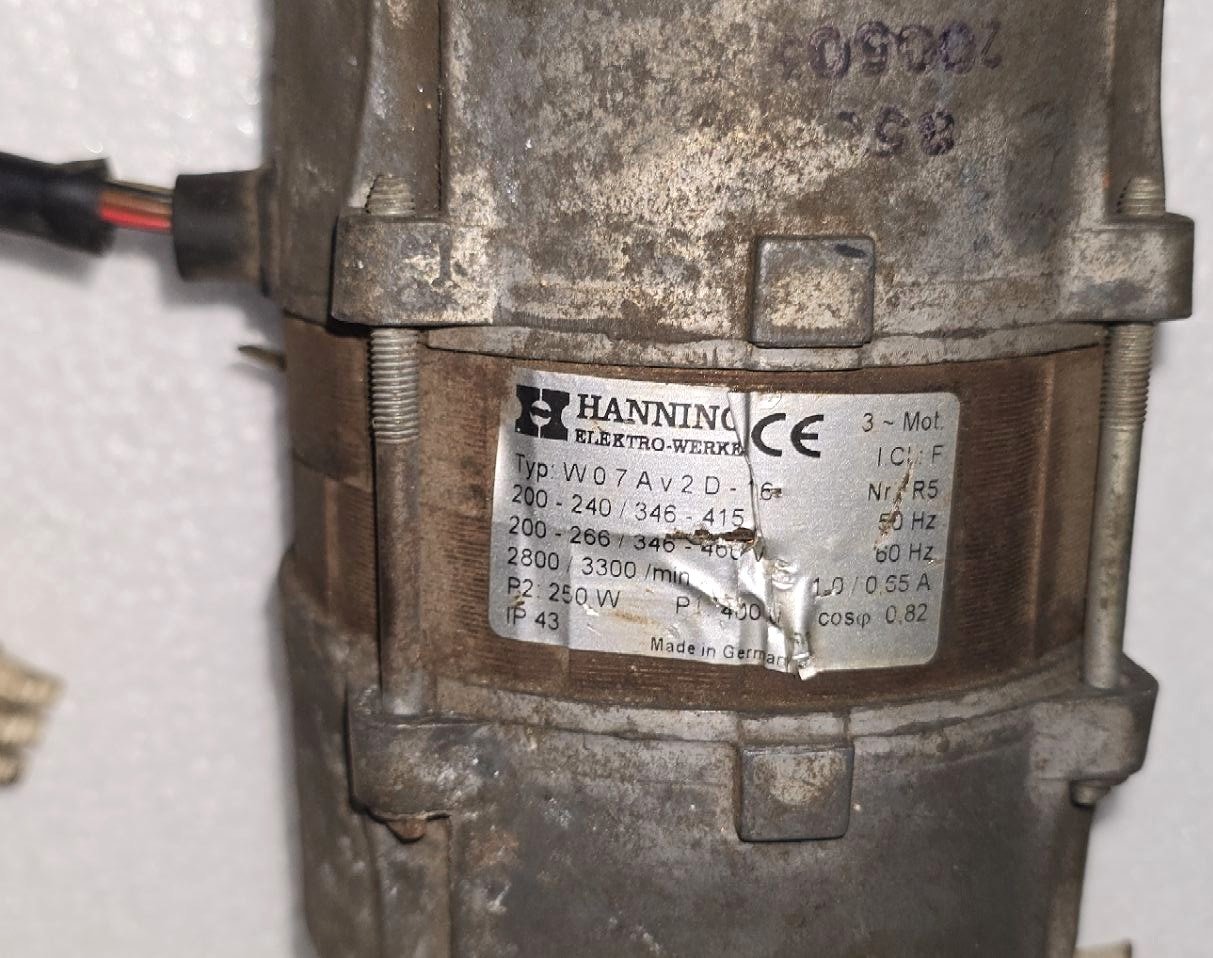
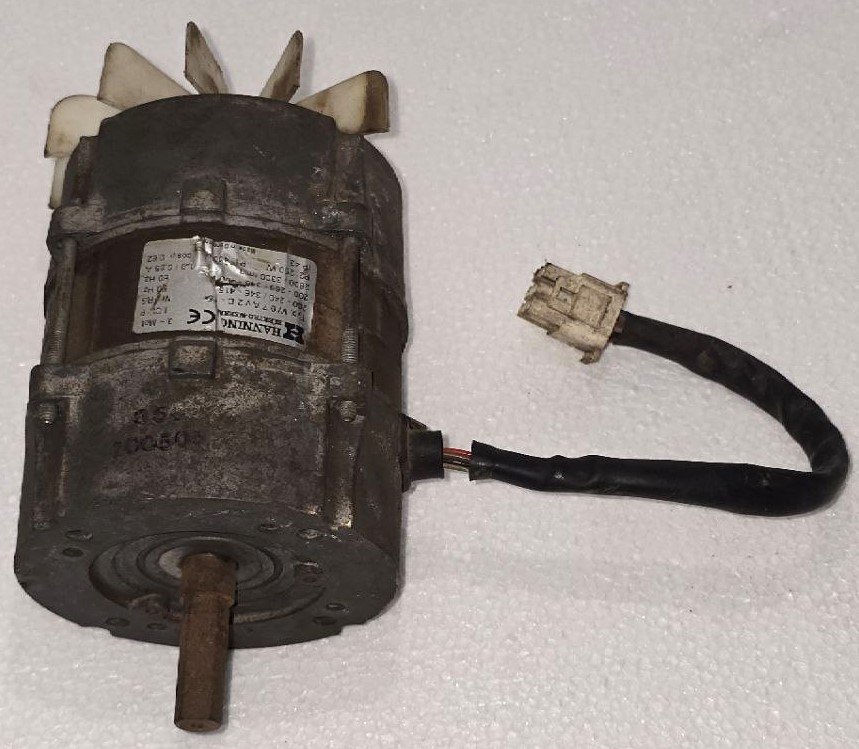
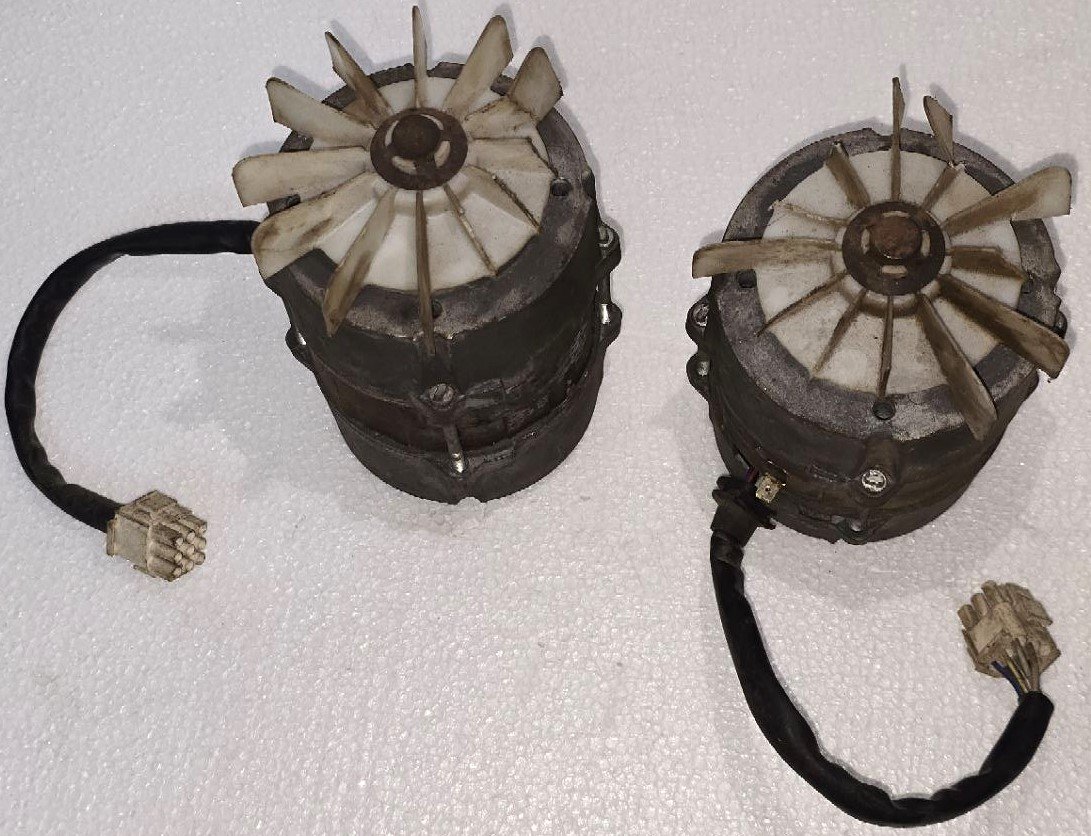
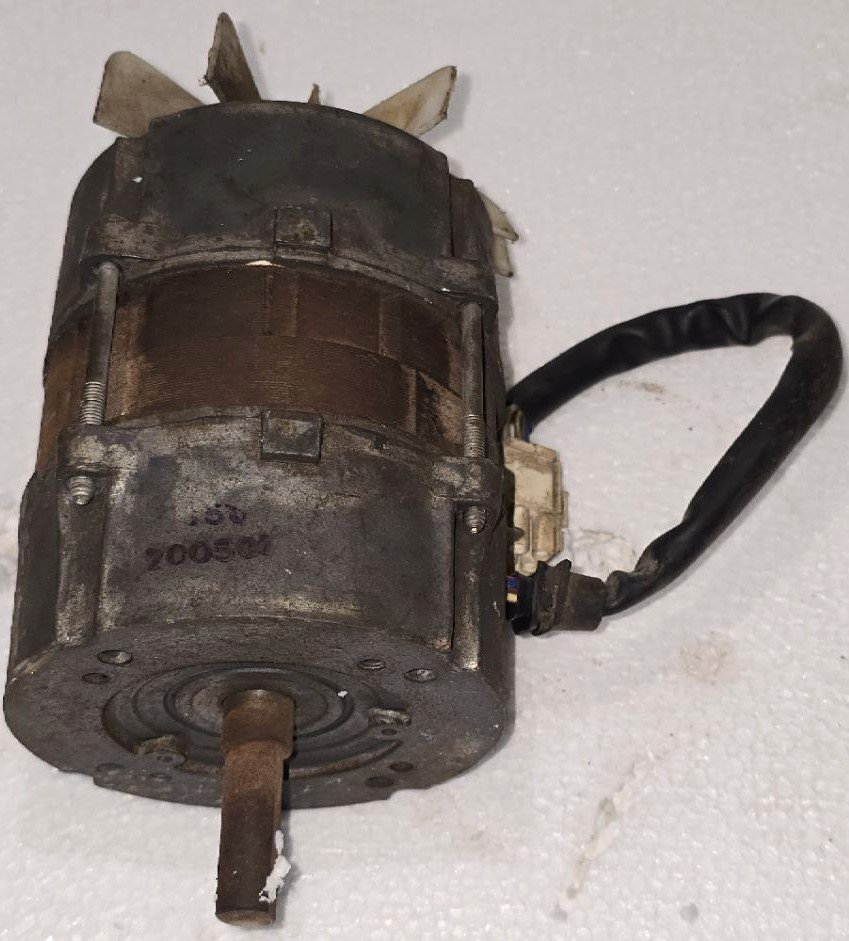
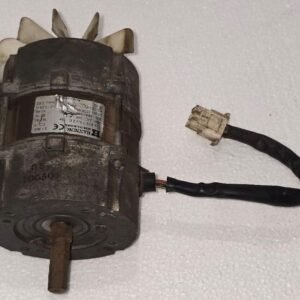
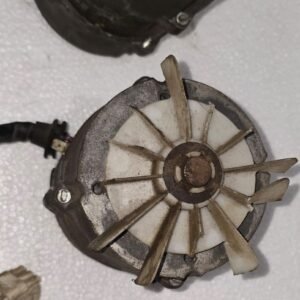
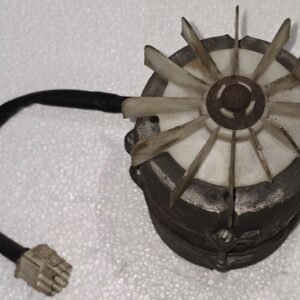
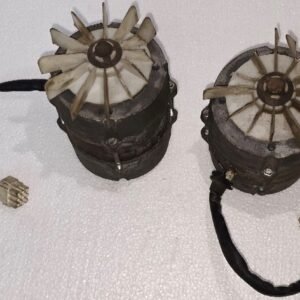
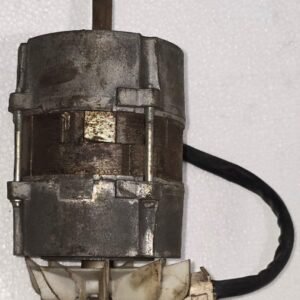
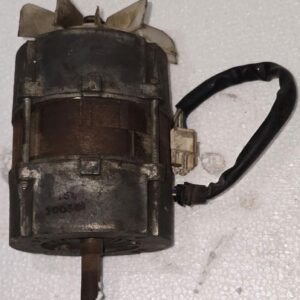
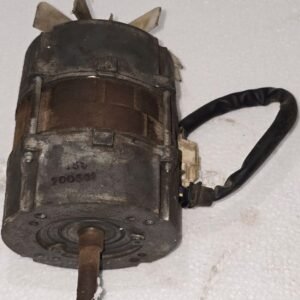
HANNING ELECKTRO WERKE 3 PHASE MOTOR TYPE W07AV2D-16 2800/3300 MIN
₹0.00
| Product Conditioned | NEW |
|---|
Free Shipping apply to all orders over $199
Guaranteed Money Back in 30 days return.
24/7 Customer Support
Share:
 HANNING ELECKTRO WERKE 3 PHASE...
₹0.00
Out of stock
Hotline Order:
(+101) 5620 - 8155
Email ID:
xstore@support.com
HANNING ELECKTRO WERKE Three-Phase Motor
Model: W07AV2D-16
Type: SEO (This likely stands for a specific efficiency class or a regional product line designation, common in older European motors. It may also indicate “Standard Engine Optimization” or similar).
Model Number Decoding (W07AV2D-16):
-
W07: Frame Size. This indicates a specific motor frame according to German DIN standards. A “W07” frame typically corresponds to a D 80 or D 71 flange mounting (dimensions will be precise for this frame). It defines the physical dimensions, shaft height, and mounting holes.
-
A: Version/Variant. This is an internal design code from Hanning, often indicating minor mechanical or electrical revisions.
-
V: Voltage/Frequency Design. Likely indicates it’s designed for standard European 400V, 50Hz three-phase power (also suitable for 230/400V Δ/Y configuration). The “V” often stands for “Volt” or a specific winding type.
-
2D: Design Variant. Specifies details like the type of bearings, sealing, shaft extension, or cooling fan design (e.g., “D” may indicate a particular fan cowl).
-
-16: Pole Number / Speed. This is the most critical part. The number “16” is not standard for poles. In standard coding, “-2” means 2-pole (~3000 RPM), “-4” means 4-pole (~1500 RPM). “16” is unusual and likely indicates a specific, less common pole configuration for a special application, OR it’s a sub-designation for a specific torque-speed curve. Given the listed speeds of 2800/3300 min⁻¹, this motor is almost certainly a 2-pole motor designed to run close to 3000 RPM at 50Hz. The “16” could be a unique Hanning identifier for a high-speed or specific performance variant.
Key Specifications (Typical for this Type & Model):
-
Motor Type: Three-Phase AC Asynchronous Motor (Squirrel Cage Rotor).
-
Power Supply: 3~ AC (Three-phase alternating current).
-
Standard Voltage/Frequency: Likely 400V / 50Hz (Common European industrial supply). May also be suitable for other voltages (e.g., 230/400V Δ/Y).
-
Speed: 2800 / 3300 min⁻¹ (RPM). The dual rating is critical:
-
2800 RPM: This is the approximate full-load speed at 50Hz (synchronous speed is 3000 RPM, slip gives ~2800 RPM).
-
3300 RPM: This is the approximate full-load speed at 60Hz (synchronous speed is 3600 RPM, slip gives ~3300 RPM). This indicates the motor is designed for both 50Hz and 60Hz networks, which was common for motors intended for global export or specific machinery.
-
-
Power Output (Rated): To find this, you must check the motor’s nameplate. For a W07 frame motor, the power could range from approximately 0.18 kW (1/4 HP) to 0.75 kW (1 HP), with 0.37 kW (1/2 HP) and 0.55 kW (3/4 HP) being very common. The exact kW or HP rating is stamped on the nameplate.
-
Mounting: Most likely Flange Mounting (B14) or Foot Mounting (B3). The “W07” frame strongly suggests a D flange (face mounting with a stub shaft). A common type is D 80 or D 71.
-
Efficiency Class: Older motor (likely pre-IE classification). If more modern, it could be IE1 (Standard Efficiency) or early IE2 (High Efficiency). The “SEO” code may relate to this.
-
Protection Class: Likely IP 54 (Dust and water splash protected) or IP 55 for industrial environments, but the nameplate will confirm (e.g., IP54, IP55).
-
Insulation Class: Typically Class F (155°C) or Class B (130°C), providing a good safety margin for temperature rise.
-
Duty Cycle: Usually S1 (Continuous Duty) for constant operation.
Typical Applications:
This motor was designed for robust industrial applications requiring a compact, flange-mounted power unit, especially in machinery that might be sold in both 50Hz and 60Hz markets.
-
Pumps and circulating units
-
Fans and blowers
-
Small conveyors
-
Packaging machinery
-
Machine tools (as a spindle or auxiliary drive)
-
Food processing equipment
P2: 250W, P1: 400W
IP43, 50/60 HZ
1.0/0.55A
MADE IN GERMANY
We're here when you need us
Get a Quick Quote
Complete our online form.
Call US
Speak to one of our team.
Live Chat
Send us a message
Speak to one of our team.