- AUTOMATION EQUIPMENT
- DIGITAL CONTROL
- ELECTRICAL ITEMS
- AMPLIFIER & UPS
- BATTERY CHARGER & INVERTER
- CIRCUIT BREAKER & BLOCKS
- CONTROL UNIT
- ELECTRIC CONTROLLERS
- FIRE ALARAM SYSTEM
- FUSES & CAPACITOR
- HEADPHONE & SPEAKER
- HMI & DISPLAY
- MISC ELECTRICAL
- PCB
- PLC SYSTEMS
- POWER SUPPLY
- PRINTER & CPU
- RELAY
- SENSORS
- SERVO DRIVES & MOTORS
- TELECOME & COMMUNICATION
- THERMOSTAT
- MACHINERY
- SENSORS
- UNCATEGORIZED
Hotline Order:
(+91) 97257 54777
Email ID:
shipnavstore@gmail.com
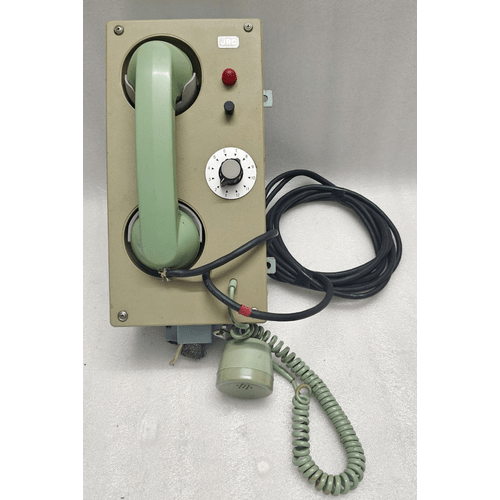
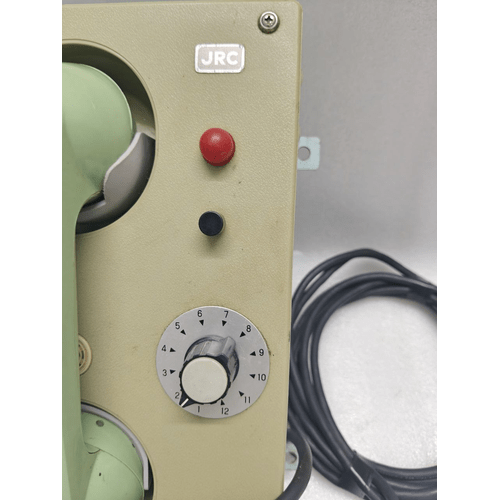
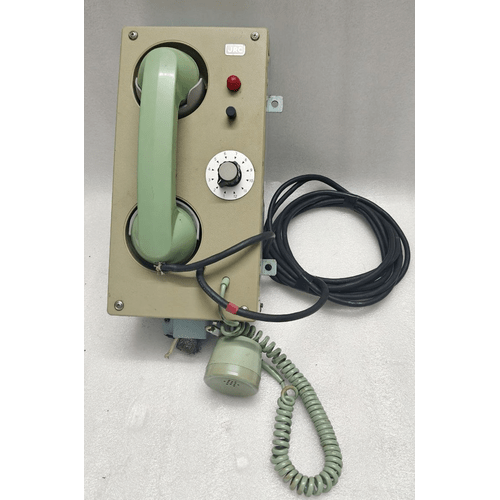
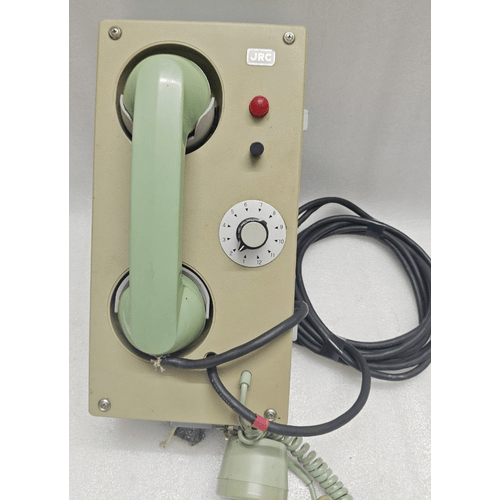
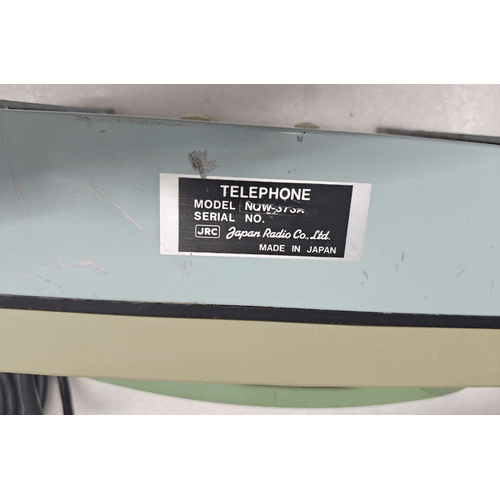
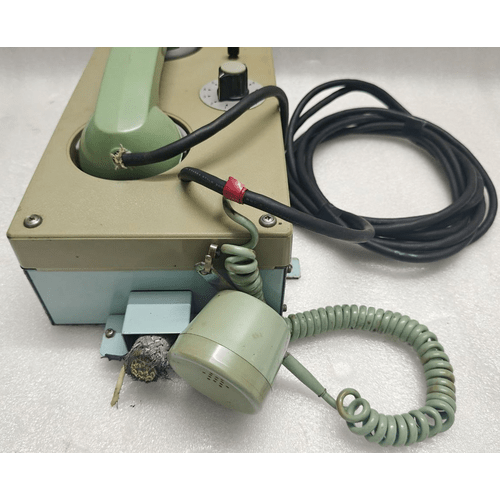
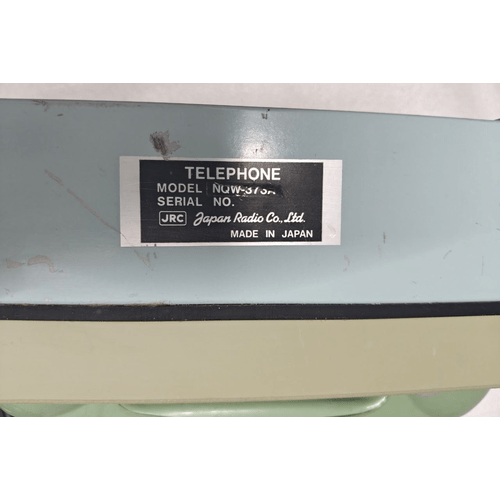
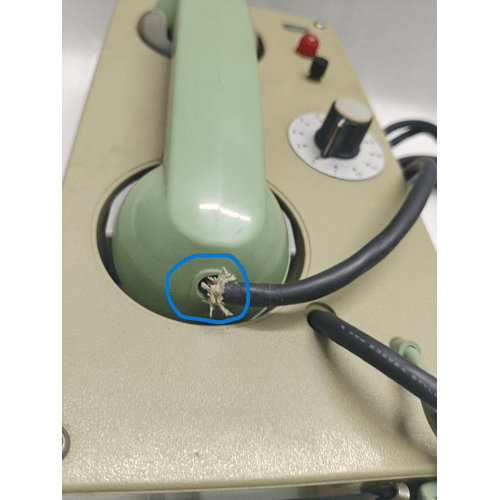
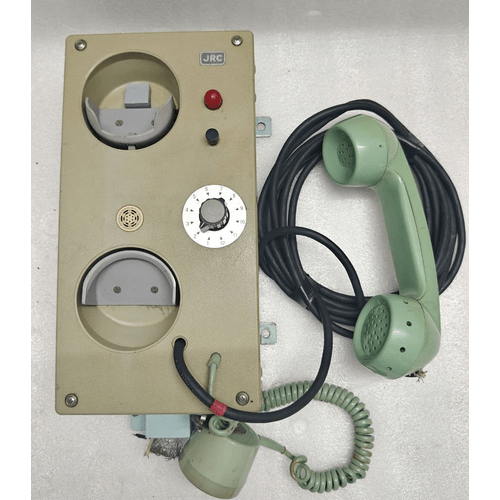
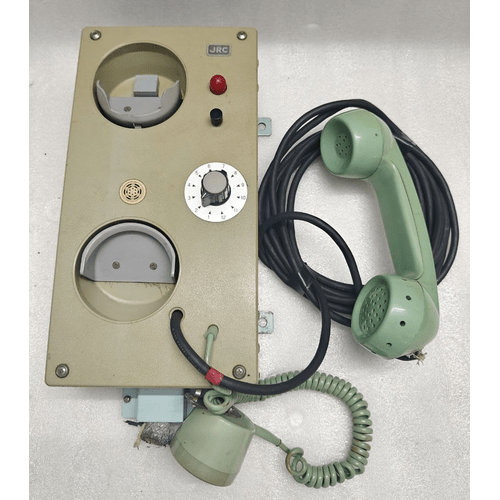
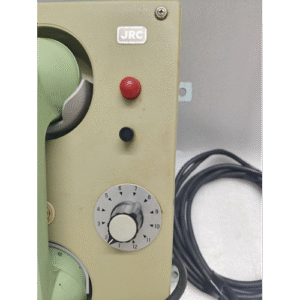
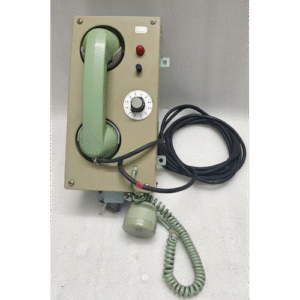
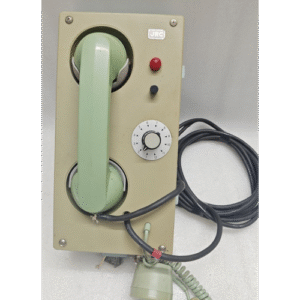
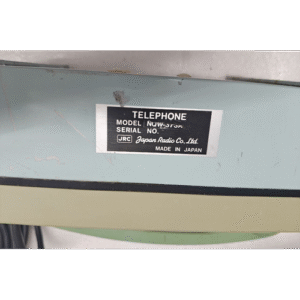
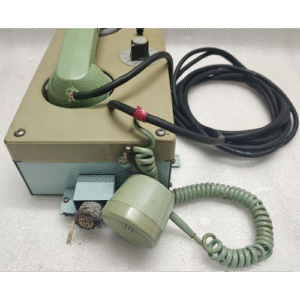
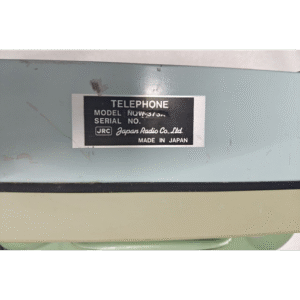
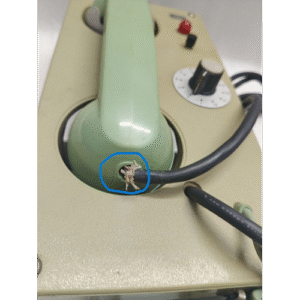
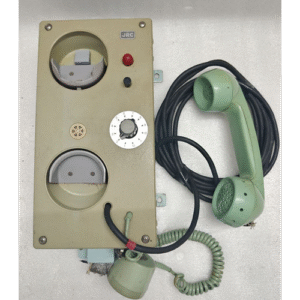
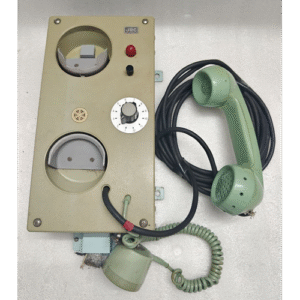
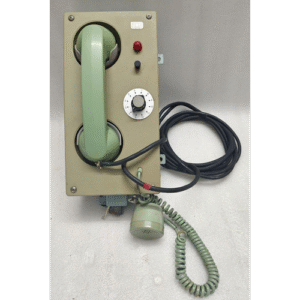
JRC NQW-373A TELEPHONE MARITIME COMMUNICATION TELEPHONE JAPAN 17:11
₹19,123.00
| Product Conditioned | USED |
|---|
the JRC NQW-373A is not a simple telephone but a sophisticated, rugged, and regulatory-compliant marine VHF radio. It is a vital piece of safety and operational equipment for any seagoing vessel, designed for reliability in the challenging marine environment.
Free Shipping apply to all orders over $199
Guaranteed Money Back in 30 days return.
24/7 Customer Support
Share:
 JRC NQW-373A TELEPHONE MARITIM...
₹19,123.00
Out of stock
Hotline Order:
(+101) 5620 - 8155
Email ID:
xstore@support.com
The JRC NQW-373A is a professional-grade VHF Maritime Radiotelephone manufactured by Japan Radio Co., Ltd. (JRC), a renowned and highly respected Japanese electronics company specializing in marine and aviation communication and navigation equipment.
This unit is a core component of a ship’s bridge communication system, designed primarily for short-range ship-to-ship and ship-to-shore voice communications on the internationally allocated VHF marine bands. Its robust construction and compliance with international standards make it a critical piece of safety equipment.
Key Features
-
International Marine VHF Channels: Pre-programmed with all standard international VHF marine channels (e.g., Channel 16 – Distress, Safety & Calling, Channel 13 – Bridge-to-Bridge navigation, Channel 6 – Intership safety, etc.).
-
Dual Watch (DW) / Triple Watch (TW): Allows monitoring of two or three priority channels (like Ch16 and a working channel) simultaneously.
-
DSC Ready/Integrated (Likely): Many models in this class have a built-in or interfaced Digital Selective Calling (DSC) module. DSC is a mandatory part of the GMDSS (Global Maritime Distress and Safety System), allowing for instant digital distress alerts with the vessel’s MMSI number and position.
-
High Power Output: Typically operates at 25 Watts of power, with a switchable low power mode (1 Watt or 5 Watt) for use in ports or close-quarters communication to avoid network congestion.
-
Water-Resistant Construction: The handset and main unit are built to withstand the harsh marine environment, including moisture, salt spray, and vibration. The front panel is often rated at IPX2 or higher (protection against dripping water).
-
Large, Backlit Display: Features an easy-to-read LCD display showing channel number, status, and signal strength, visible in all lighting conditions.
-
Noise-Cancelling Microphone: The handset incorporates a noise-cancelling mic to ensure clear audio transmission even in noisy bridge environments.
-
Remote Operation Capability: Designed to be connected to an external control unit or speaker microphone, allowing for remote operation from another part of the bridge or the flying bridge (wings).
Technical Specifications (General)
| Parameter | Specification / Description | Notes |
|---|---|---|
| Manufacturer | Japan Radio Co., Ltd. (JRC) | A leading brand in marine electronics. |
| Model Number | NQW-373A | |
| Type | Marine VHF Radiotelephone | |
| Frequency Range | 156.000 – 162.025 MHz (VHF Marine Band) | |
| Channels | All International ITU Channels (USA, INT, CAN), Weather channels. | |
| Output Power | 25 Watts (High) / 1 or 5 Watts (Low) | Selectable. |
| Power Supply | 24 VDC or 12 VDC (typical for marine applications) | Must be connected to the ship’s DC power system. |
| Compliance | FCC Part 80, SOLAS (if applicable), RTCM standards. | Meets international maritime communication regulations. |
| DSC | Likely has a built-in DSC modem or dedicated interface for an external DSC controller. | Essential for modern GMDSS compliance. |
| Interface | Connections for external speaker, remote microphone, GPS input for DSC, and possibly LAN for integration with other bridge systems. | |
| Display | Backlit LCD | Shows channel, power, status, and DSC information. |
Application & Usage
-
Primary Use: Routine and safety communications on the bridge of any commercial vessel, workboat, or large yacht.
-
Mandatory Safety Equipment: It is a required piece of equipment under international conventions like SOLAS (for commercial vessels) and various national regulations for all ships. It is the primary means for initiating contact and handling distress situations via Voice and DSC.
-
Typical Vessels:
-
Merchant Ships
-
Fishing Vessels
-
Tugs and Workboats
-
Large Pleasure Yachts
-
Government and Coast Guard Vessels
-
Important Notes
-
License Required: Operating a fixed marine VHF radio requires a station license for the vessel. To transmit, the operator must hold a relevant operator’s certificate (e.g., SRC/LRC in the UK, FCC license in the USA).
-
MMSI Number: For the DSC function to work, the unit must be programmed with the vessel’s unique Maritime Mobile Service Identity (MMSI) number. This is a critical step for safety.
-
Professional Installation: Must be installed and connected to a proper VHF antenna (with good grounding) by a qualified marine electrician or technician to ensure optimal performance and compliance.
-
GMDSS: For vessels subject to the Global Maritime Distress and Safety System, this radio is a key component of the required communication equipment.
Where to Find More Information
-
JRC Official Website: Search for legacy product support or manuals.
-
Marine Electronics Distributors: Companies that sell and service JRC, Simrad, Furuno, and Icom equipment.
-
Official User Manual: The specific manual for the NQW-373A is essential for installation, programming, and operation instructions. Searching for “JRC NQW-373A manual” online is the best course of action.
We're here when you need us
Get a Quick Quote
Complete our online form.
Call US
Speak to one of our team.
Live Chat
Send us a message
Speak to one of our team.