- AUTOMATION EQUIPMENT
- DIGITAL CONTROL
- ELECTRICAL ITEMS
- AMPLIFIER & UPS
- BATTERY CHARGER & INVERTER
- CIRCUIT BREAKER & BLOCKS
- CONTROL UNIT
- ELECTRIC CONTROLLERS
- FIRE ALARAM SYSTEM
- FUSES & CAPACITOR
- HEADPHONE & SPEAKER
- HMI & DISPLAY
- MISC ELECTRICAL
- PCB
- PLC SYSTEMS
- POWER SUPPLY
- PRINTER & CPU
- RELAY
- SENSORS
- SERVO DRIVES & MOTORS
- TELECOME & COMMUNICATION
- THERMOSTAT
- MACHINERY
- SENSORS
- UNCATEGORIZED


Hotline Order:
(+91) 97257 54777
Email ID:
shipnavstore@gmail.com

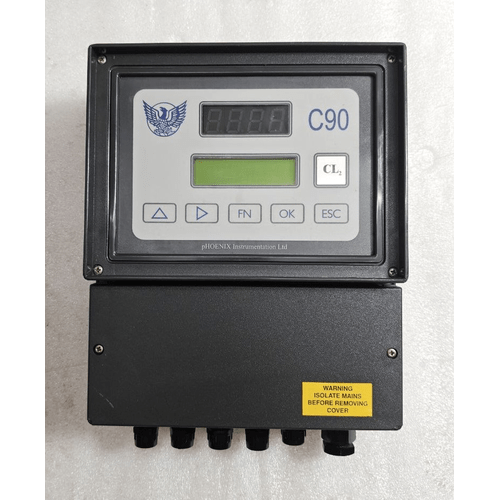
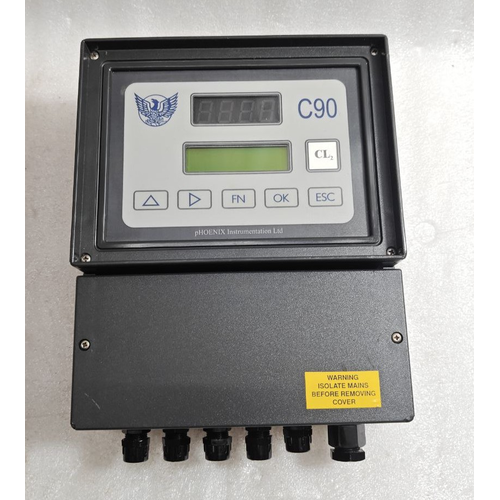
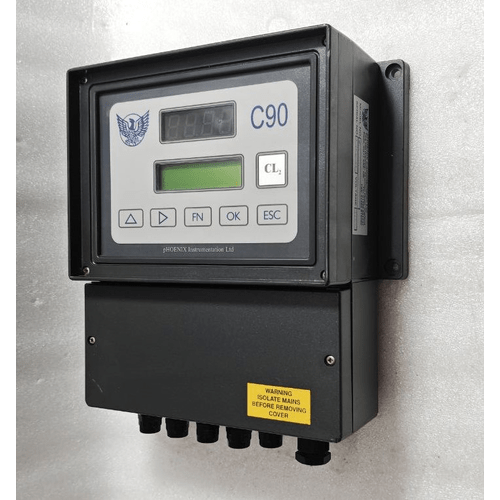
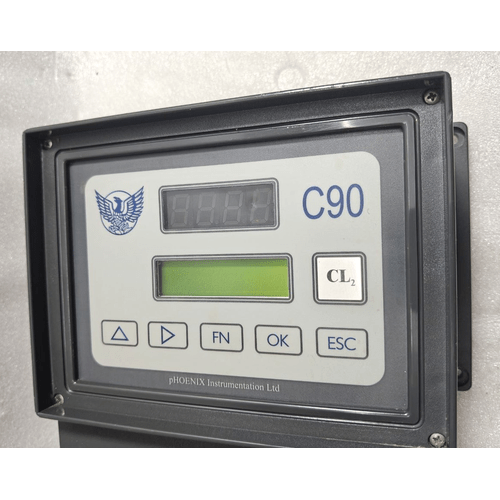
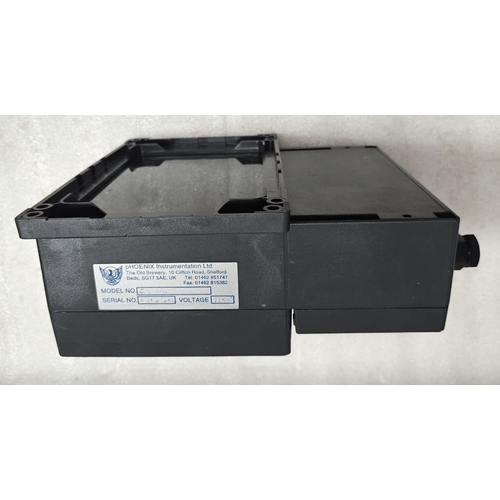
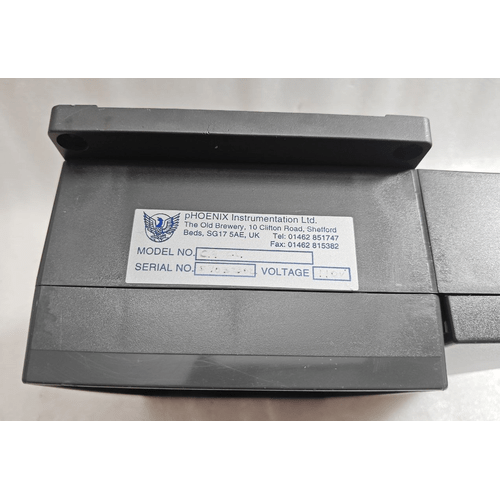
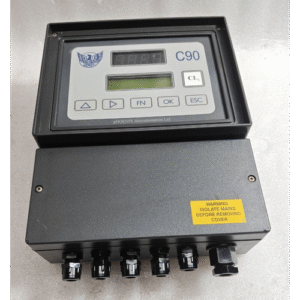
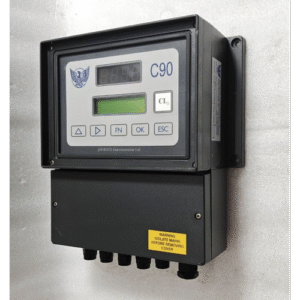
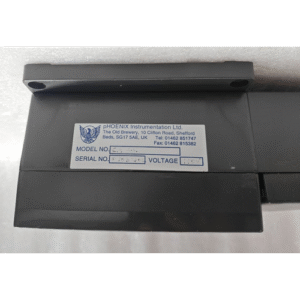
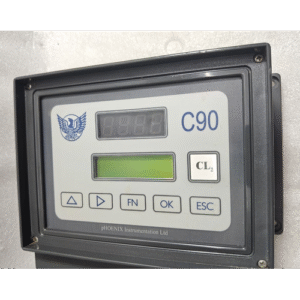
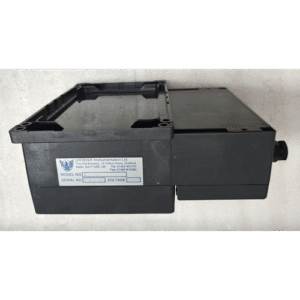
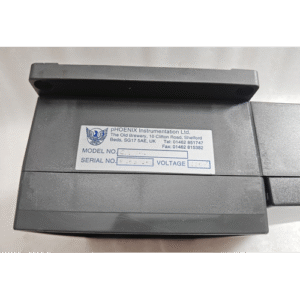
PHOENIX INSTRUMENTS LTD C90 110V AC CL2 18:05
₹27,095.00
| Product Conditioned | USED |
|---|---|
| BRAND | PHOENIX INSTRUMENTS |
| MODEL | C90 CL2 |
| MPN | C90 CL2 |
| Current Type | AC |
| Nominal Rated Input Voltage | 110 V |
| Country/Region of Manufacture | United Kingdom |
In simple terms, this is a precision component tester from the 80s/90s.
Think of it as a specialized super-multimeter that doesn’t measure voltage, but is expertly designed to do one thing: tell you the exact value of a capacitor, inductor, or resistor. It’s the tool you’d find on an engineer’s bench to diagnose a faulty power supply or match components for a high-end audio amplifier. If you’re buying it used, you’re buying a project that will likely need calibration to be truly accurate.
Free Shipping apply to all orders over $199
Guaranteed Money Back in 30 days return.
24/7 Customer Support
Share:
 PHOENIX INSTRUMENTS LTD C90 11...
₹27,095.00
1 in stock
Hotline Order:
(+101) 5620 - 8155
Email ID:
xstore@support.com
The Phoenix Instruments Ltd C90 is a highly specialized piece of test and measurement equipment. It is a Capacitance Meter or LCR Meter (Inductance (L), Capacitance (C), and Resistance (R)) designed for precision measurement of electronic components.
The “110V AC” indicates it is powered by standard North American wall outlet voltage, and “CL2” is likely a safety certification or a specific model variant/class.
Key Features & Specifications (Inferred from Model)
-
Manufacturer: Phoenix Instruments Ltd. (A known manufacturer of precision electronic test equipment, particularly LCR meters and component testers).
-
Model: C90 – The “C” strongly suggests a primary focus on Capacitance measurement.
-
Type: Benchtop LCR Meter. It is designed to sit on a workbench in a lab, repair shop, or production environment, not for portable use.
-
Primary Function: To accurately measure the capacitance of capacitors. Higher-end models like this likely also measure:
-
Inductance (L) of coils and inductors.
-
Resistance (R) of resistors.
-
Quality Factor (Q)
-
Dissipation Factor (D)
-
-
Measurement Capabilities:
-
It undoubtedly offers multiple measurement ranges (e.g., from picofarads (pF) to farads (F)).
-
It likely operates at one or more test frequencies (e.g., 1 kHz, 120 Hz, 10 kHz) to provide accurate readings under different conditions, as the value of some components (especially capacitors) can change with frequency.
-
-
Display: A vintage-style LED or early LCD digital readout to show the measured value and units.
-
Terminals: Features front-panel terminals or a dedicated test fixture for connecting components. These are typically 4-terminal (Kelvin clips) or BNC connectors for precision measurement, which eliminates the effect of test lead resistance.
-
Power Requirements: 110V AC (Standard for the USA/Canada/Japan). This confirms it is a benchtop unit requiring mains power.
-
CL2 Rating: This likely refers to a Safety Certification (e.g., Class 2 equipment, meeting specific electrical safety standards for limited power output) or denotes a specific accuracy Class for the device itself.
-
Vintage: This design and model name suggest it is likely from the 1980s or early 1990s.
What is it used for? (Purpose)
This instrument is used for:
-
Quality Control: Testing new electronic components after manufacture or upon receipt.
-
Repair and Troubleshooting: Identifying faulty or out-of-spec capacitors and inductors on circuit boards, especially in analog electronics, power supplies, and radio equipment.
-
Laboratory Work: Providing precise measurements for research and development projects.
-
Sorting Components: For hobbyists or technicians building projects who need to match components or verify their values.
Who is this for? (Ideal User)
This is a specialized tool for:
-
Electronics Engineers and Technicians
-
Radio Amateurs (Hams) repairing and building gear.
-
Vintage Electronics Restorers
-
QC Personnel in electronics manufacturing or repair shops.
-
Serious Electronics Hobbyists who need high accuracy beyond what a standard multimeter can offer.
Important Considerations for a “USED” Unit
-
Calibration: The absolute most critical factor for a precision meter like this. Its accuracy is unknown without a recent calibration against certified standards. Professional calibration is highly recommended.
-
Aging Components: Like all vintage electronics, its internal capacitors and other components may have aged, affecting accuracy and reliability.
-
Obsolete Technology: While still functional, it lacks modern features like auto-ranging, computer interface (GPIB/RS-232), or a graphical display. It is a dedicated, no-frills measurement tool.
We're here when you need us
Get a Quick Quote
Complete our online form.
Call US
Speak to one of our team.
Live Chat
Send us a message
Speak to one of our team.