- AUTOMATION EQUIPMENT
- DIGITAL CONTROL
- ELECTRICAL ITEMS
- AMPLIFIER & UPS
- BATTERY CHARGER & INVERTER
- CIRCUIT BREAKER & BLOCKS
- CONTROL UNIT
- ELECTRIC CONTROLLERS
- FIRE ALARAM SYSTEM
- FUSES & CAPACITOR
- HEADPHONE & SPEAKER
- HMI & DISPLAY
- MISC ELECTRICAL
- PCB
- PLC SYSTEMS
- POWER SUPPLY
- PRINTER & CPU
- RELAY
- SENSORS
- SERVO DRIVES & MOTORS
- TELECOME & COMMUNICATION
- THERMOSTAT
- MACHINERY
- SENSORS
- UNCATEGORIZED
Hotline Order:
(+91) 97257 54777
Email ID:
shipnavstore@gmail.com

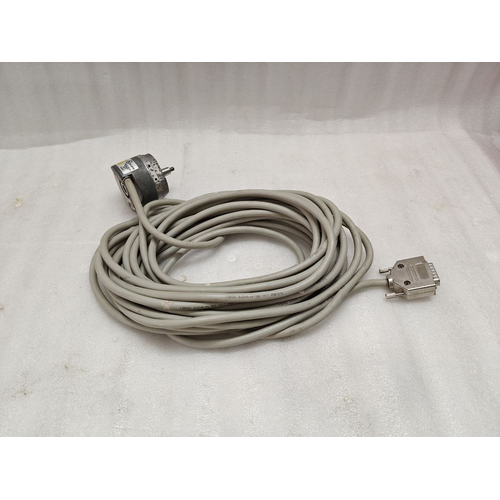
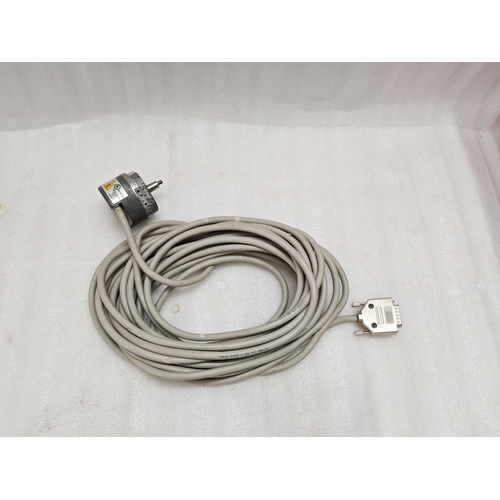
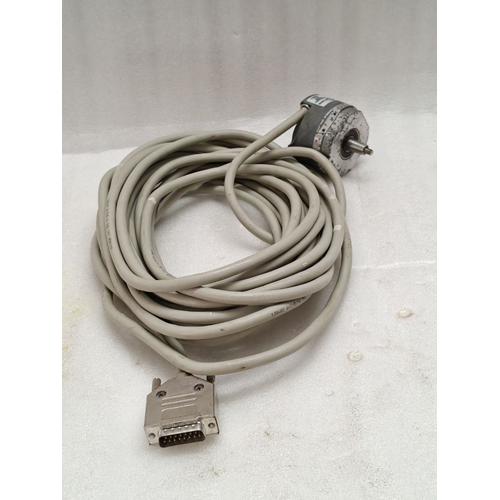
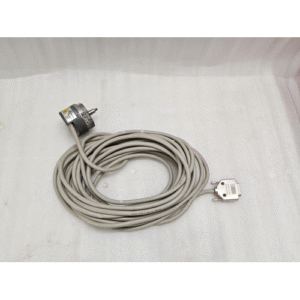
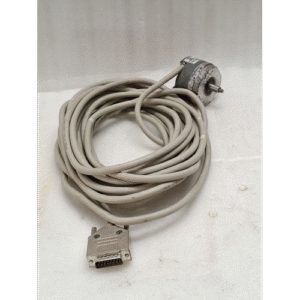
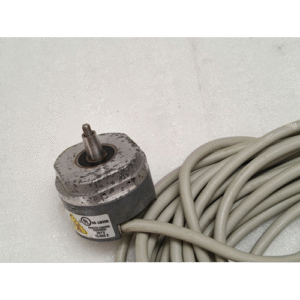
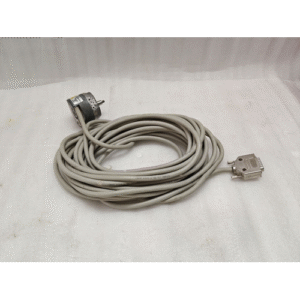
SYNCHRONOUS ELEVATOR ENCODER FOR LIFT ENCODERS 9950 001 0875 8.5873.0000.C302.S021 12:11
₹14,553.00
| Product Conditioned | NEW |
|---|
Free Shipping apply to all orders over $199
Guaranteed Money Back in 30 days return.
24/7 Customer Support
Share:
 SYNCHRONOUS ELEVATOR ENCODER F...
₹14,553.00
1 in stock
Hotline Order:
(+101) 5620 - 8155
Email ID:
xstore@support.com
SYNCHRONOUS ELEVATOR ENCODER FOR LIFT ENCODERS 9950 001 0875 8.5873.0000.C302.S0
- SYNCHRONOUS ELEVATOR ENCODER
- LIFT ENCODERS
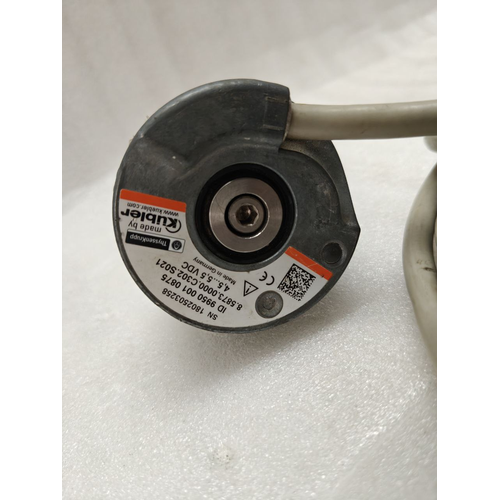
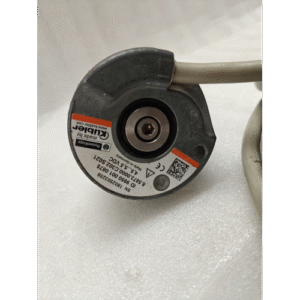
- BRAND: KUBLER
- SN: 1802503258
- ID: 9950 001 0875
- 8.5873.0000.C302.SO21
- 4.5…..5.5 VDC
- MADE IN GERMANY
- MADE BY KUBLER
- WWW.KUBLER.COM
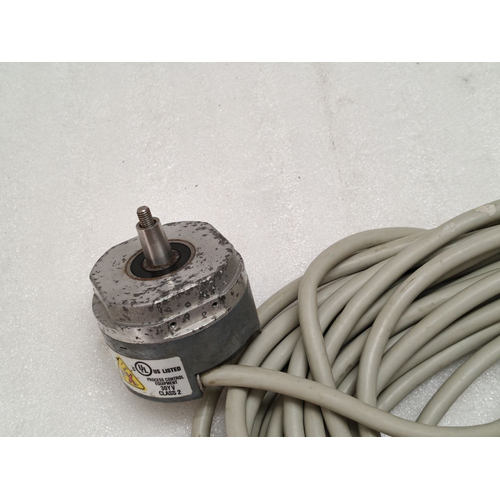
- PROCESS CONTROL EQUIPMENT
- 30Y V , CLASS 2
Product Description: SYNCHRONOUS ELEVATOR ENCODER
Part Number: 9950 001 0875 / 8.5873.0000.C302.S021
Manufacturer: SEO (likely a supplier to major elevator OEMs like ThyssenKrupp, KONE, or similar)
Executive Summary
This is a high-precision, synchronous (absolute) rotary encoder specifically designed for the demanding environment of elevator control systems. Its primary function is to provide the elevator controller with real-time, highly accurate data about the elevator car’s position, speed, and direction of travel within the hoistway. This information is essential for precise floor-leveling, smooth starts and stops, and critical safety functions.
Detailed Functional Description
1. Core Function: Position & Speed Sensing
-
The encoder is mechanically coupled to the elevator machine’s motor shaft or a sheave.
-
As the motor turns, the encoder generates a digital signal that corresponds precisely to the rotational angle and speed.
-
The elevator controller uses this data to calculate the exact position of the car in the hoistway, its current speed, and whether it is moving up or down.
2. Type: Synchronous/Absolute Encoder
-
“Synchronous” implies it works in perfect synchronization with the motor’s rotation.
-
“Absolute” means that the encoder provides a unique digital code for every single shaft position throughout its 360-degree rotation. The moment the system is powered on, it knows its exact position without needing to move to a “home” or reference point. This is crucial for elevator safety and immediate operation.
3. Key Features and Technologies
-
High Resolution: The number 8.5873.0000 suggests a very high pulse count per revolution (e.g., 8192 pulses, which is 2^13). This high resolution is what allows for incredibly smooth and accurate floor stops (precise leveling).
-
Robust Construction: Built to withstand the harsh conditions of an elevator machine room or hoistway, including:
-
Vibration and Shock: Resilient to the mechanical forces of elevator operation.
-
Temperature Fluctuations: Stable performance across a wide operating temperature range.
-
Electrical Noise: Shielded to prevent interference from motor drives and other power equipment.
-
-
Multiple Output Signals: Likely provides industry-standard signals such as:
-
Sin/Cos 1 Vpp: High-resolution analog signals for precise interpolation.
-
Absolute Serial Interface (e.g., EnDat 2.2, SSI, or Hiperface): Transmits the absolute position data directly to the controller.
-
-
Safety Integrity: While not explicitly stated, encoders of this class are often designed to meet safety standards (like SIL 2/SIL 3 per IEC 61508) to be part of the elevator’s safety chain, potentially contributing to overspeed detection.
Application in the Elevator System
This encoder is a fundamental part of the Motion Control Feedback Loop:
-
Controller Command: The elevator controller sends a command to the motor drive to move the car to the 5th floor.
-
Encoder Feedback: The encoder continuously reports the motor’s exact position and speed back to the controller.
-
Precise Adjustment: The controller compares the actual position (from the encoder) with the target position. It makes micro-adjustments to the motor’s power and braking to ensure a smooth, fast, and accurate journey.
-
Perfect Leveling: As the car approaches the 5th floor, the high-resolution data from the encoder allows the controller to slow down and stop with millimeter precision, perfectly aligned with the floor.
Purpose and Importance
-
Passenger Comfort: Enables smooth acceleration, travel, and deceleration, eliminating jerky movements and “hard” landings.
-
Precise Floor Leveling: Ensures the elevator car stops exactly level with the floor landing, preventing trips and falls and reducing wear on components.
-
Operational Efficiency: Allows for optimized travel profiles, reducing wait times and journey times.
-
Safety: Provides critical data that can be used by the safety system to monitor for overspeed conditions or uncontrolled movement.
We're here when you need us
Get a Quick Quote
Complete our online form.
Call US
Speak to one of our team.
Live Chat
Send us a message
Speak to one of our team.